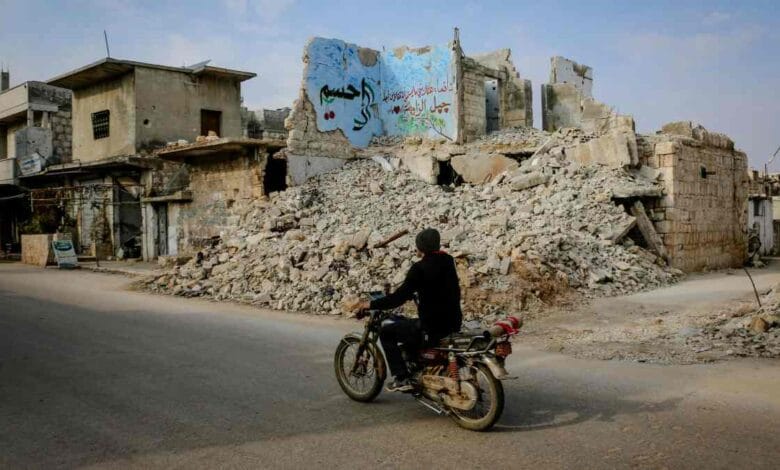
Across human history, thousands of conflicts have been recorded, from small regional battles to large scale global wars, and collectively they have shaped societies in ways that are still felt today. Estimates suggest that hundreds of millions of lives have been lost across centuries of warfare, while the economic cost runs into trillions when considering destroyed infrastructure, disrupted trade, and long term rebuilding.
The impact of war does not remain limited to armies or battlefields. It spreads into cities and villages, affecting civilians who depend on stable systems to survive. Families are forced to move, leaving behind homes and routines. Entire communities can shift in a matter of days, changing population patterns across regions. At the same time, economies weaken as industries slow, trade routes break, and governments redirect resources toward emergency needs instead of development.
Something strange happens when a place meant for healing starts to lose its ability to heal. Hospitals are built to protect life, even during danger outside their walls. Hospitals begin to struggle when supplies slow down amid of conflict times. In parts of Iran and Lebanon, that function is being disrupted. Doctors are working under pressure, patients wait longer for care, and services do not run as they normally would. This raises a basic question: what happens to health systems when conflict interferes with how they operate?
How Conflict Is Disrupting Hospitals and Medical Care
The conflict involving Iran and Lebanon is affecting hospitals, clinics, and emergency services that civilians depend on. Some healthcare facilities have been damaged, closed, or evacuated due to security risks and shortages. When a hospital closes, medical services in that area stop or move elsewhere, which reduces access to treatment for nearby populations.
Healthcare workers are also affected. Some have been injured or killed, and others cannot reach their workplaces because of unsafe conditions or transport disruption. In hospitals that remain open, shortages of fuel, equipment, and medicines are reported. This affects treatment for emergencies and also for ongoing conditions such as heart disease, cancer, and injury care.
Medical supply chains are also disrupted. Medicines, vaccines, and equipment move through air and ground transport routes that depend on stable conditions. When transport routes close or become unsafe, deliveries slow down or stop. This affects both urgent supplies and routine medical needs such as vaccination programs and chronic disease medication.
Rising Injuries, Displacement, and Everyday Survival Struggles
The conflict has led to increased injuries and deaths. Reports from Iran and Lebanon describe thousands of casualties, including civilians. Hospitals receiving these patients operate under pressure because demand for emergency care rises at the same time that capacity is reduced. Displacement is also widespread. Many people have left their homes and moved within their countries or to other areas. Some live in temporary shelters or crowded buildings where living conditions are limited.
In these settings, access to clean water, sanitation, and adequate space is reduced. Daily routines such as cooking, hygiene, and rest become more difficult. Children, older adults, and pregnant women face higher health risks because they depend more on stable living conditions and regular medical access. Mental health is also affected. People exposed to violence and sudden displacement report stress, anxiety, and difficulty adjusting to unstable conditions. Children are affected by changes in schooling and routine, which can disrupt development and daily structure.
Disease Risks, Supply Problems, and Long Term Health Impact
Crowded living conditions increase the risk of disease spread. Respiratory infections and gastrointestinal illnesses are more likely when people share limited space and have reduced access to clean water and sanitation. In these environments, even common infections can spread more quickly. Health surveillance systems also become harder to maintain. Clinics and hospitals normally track disease patterns to detect outbreaks early. When facilities are damaged or overwhelmed, this monitoring weakens, which reduces early detection and slows response.
Supply chain disruptions affect access to medicines and vaccines. When transport routes are interrupted, deliveries do not reach hospitals on schedule. This affects patients who need regular medication and children who depend on vaccination programs. Environmental risks appear when infrastructure is damaged. Fires and industrial damage can release pollutants into air and water. These exposures can affect breathing and overall health, though the effects may not be immediately visible.
Health systems continue to operate but under strain. Hospitals report shortages of staff, supplies, and funding. Patient numbers remain high, while resources are limited. This gap affects how consistently care can be delivered across different areas.
FAQs on Impact of war on public health
Q: How does war affect humanity and everyday civilian life?
A: War affects humanity by disrupting basic systems that people depend on for survival, such as healthcare, food supply, and housing. Civilians often face displacement, injuries, and limited access to essential services. Over time, war also creates long term instability that affects education, jobs, and community life.
Q: What are the main global consequences of war on population and society?
A: The global consequences of war include large scale population displacement, loss of life, and breakdown of essential services. Entire communities may be forced to relocate, changing population patterns across regions. War also weakens social structures and increases long term humanitarian needs.
Q: How many wars have been fought in human history?
A: Human history includes thousands of recorded conflicts ranging from small regional wars to large global wars. While exact numbers vary depending on definitions, historical records show that warfare has been a recurring part of human civilization for centuries. These conflicts have shaped political borders and societies worldwide.
Q: What is the economic cost of war on countries and the global economy?
A: The economic cost of war includes destroyed infrastructure, reduced trade, and long term rebuilding expenses. Governments often divert resources from development projects to emergency response and military needs. Over time, this slows economic growth and increases financial pressure on affected countries.
Q: How does war impact hospitals and healthcare systems?
A: War places severe pressure on healthcare systems by damaging hospitals, limiting medical supplies, and reducing access to treatment. Healthcare workers may face unsafe conditions, and many facilities struggle to operate normally. This leads to reduced care for both emergency cases and chronic illnesses.
Q: Why does war lead to mass displacement of people?
A: War leads to displacement because people are forced to leave their homes to escape violence and unsafe conditions. Displaced populations often move into temporary shelters or overcrowded areas with limited resources. This creates additional strain on housing, sanitation, and public services.
Q: How does war affect the environment and natural resources?
A: War affects the environment through pollution, destruction of infrastructure, and damage to land and water systems. Industrial accidents, fires, and military activity can release harmful substances into air and soil. These effects can continue long after conflict ends.
Q: What long term health problems can result from war?
A: Long term health problems from war include untreated chronic diseases, mental health conditions, and increased risk of infectious disease outbreaks. Disrupted healthcare systems and poor living conditions contribute to ongoing health challenges. These effects can last for years after active conflict stops.
Q: Who is most vulnerable during wars and conflicts?
A: The most vulnerable groups during wars include children, elderly individuals, pregnant women, and people with existing medical conditions. These groups are more affected by lack of healthcare, poor living conditions, and displacement. Their needs often increase while access to support decreases.
Sources
- World Health Organization (WHO). Conflict deepens health crisis across Middle East, WHO says. Available from: https://www.who.int/news/item/11-03-2026-conflict-deepens-health-crisis-across-middle-east–who-says
- UNICEF. Humanitarian crisis for children deepens after one month of war in the Middle East. Available from: https://www.unicef.org/press-releases/humanitarian-crisis-children-deepens-after-one-month-war-middle-east
- UN News, Global perspective Human stories. Humanitarian crisis deepens across the region. Available from: https://news.un.org/en/story/2026/03/1167207
Disclaimer:
Some aspects of the webpage preparation workflow may be informed or enhanced through the use of artificial intelligence technologies. While every effort is made to ensure accuracy and clarity, readers are encouraged to consult primary sources for verification. External links are provided for convenience, and Honores does not endorse, control, or assume responsibility for their content or for any outcomes resulting from their use. The author declares no conflicts of interest in relation to the external links included. Neither the author nor the website has received any financial support, sponsorship, or external funding. This content is for informational purposes only and is not medical advice. Please consult a qualified physician before making health decisions. Images are for representational purposes only. Photo by Ahmed akacha.