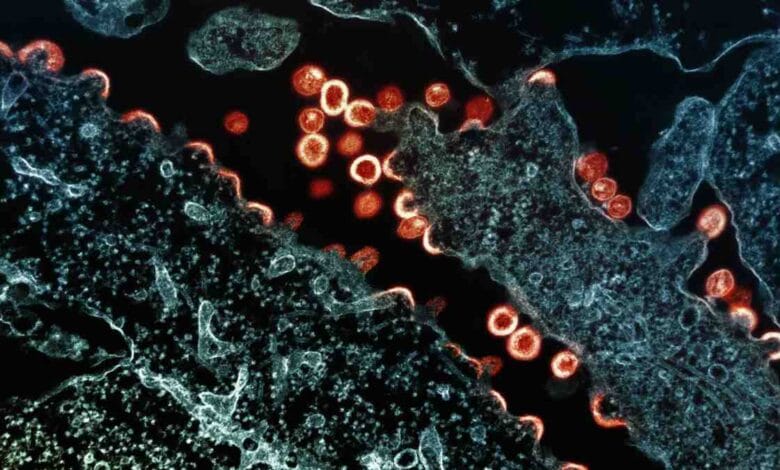
The gut microbiome is the community of microorganisms living in the digestive tract. It begins forming at birth and develops through early life based on diet, environment, breastfeeding, and lifestyle. A balanced microbiome helps digest food, supports vitamin production, and strengthens immunity. When it becomes imbalanced, it may contribute to digestive problems, inflammation, weaker immunity, and links with metabolic and other health disorders.
Have you ever wondered whether bacteria in your gut can influence muscle strength? Recent research examines a bacterium called Roseburia inulinivorans and its association with muscle performance. Scientists compared gut samples and strength measures in young and older adults and also tested effects in mice. The findings show consistent patterns between higher levels of this bacterium and stronger muscle function. The studies also explore how it may relate to metabolism and aging. The evidence is still developing, but the connection is being studied in detail.
What is Roseburia inulinivorans and why are scientists interested?
Roseburia inulinivorans is a type of bacteria that lives in the human gut. Scientists study it because it is associated with measures of muscle strength in both younger and older adults. Researchers analyzed stool samples from 90 young adults aged 18 to 25 and 33 older adults aged 65 to 75. They compared bacterial levels with handgrip strength, leg press strength, and bench press strength.
Results showed that higher levels of Roseburia inulinivorans were linked with higher strength measurements. In older adults, those with detectable levels had about 29% higher handgrip strength than those without detectable levels. Similar associations were seen in younger adults, where higher abundance was linked with stronger grip strength and higher VO₂ peak. Older adults generally had lower levels of this bacterium. This matched the general decline in muscle strength with age. Other Roseburia species such as R. faecis and R. intestinalis did not show the same association with strength.
How this gut bacterium may affect muscles in the body
To test whether Roseburia inulinivorans can influence muscle biology directly, researchers conducted experiments in mice. Mice that had been treated with antibiotics were given this bacterium. After exposure, the mice showed increased forelimb grip strength and larger muscle fiber size.
The muscle fiber composition also changed. There was a higher proportion of type II fibers, which are linked to fast and forceful movements. Researchers also measured changes in metabolism. Levels of amino acids were lower in the gut and blood, while activity increased in pathways involved in purine metabolism and the pentose phosphate pathway in muscle tissue. These pathways are involved in energy production and cell repair. The results suggest that the bacterium may influence how muscle cells use nutrients and manage energy. The effects were observed through changes in metabolites rather than permanent colonization of the gut.
What this means for health, diet, and aging muscles
The findings describe a relationship between gut bacteria and muscle function that may work in both directions. Physical exercise is already known to support muscle strength, and it is also associated with small changes in gut bacterial composition, including Roseburia species. Diet is another factor linked with levels of Roseburia inulinivorans. Foods that contain inulin, a type of dietary fiber, may support its growth. These include onions, garlic, asparagus, and chicory root. Diets high in fiber also support a broader range of gut bacteria that contribute to digestion and metabolism.
Most of the current evidence comes from associations in humans and controlled experiments in mice. This means the results show relationships and biological effects under study conditions, but they do not confirm direct effects in humans at a clinical level. More research is needed to determine how changes in this bacterium relate to long-term muscle health in different populations.
FAQs on Gut microbiota influence muscle strength
Q: How can gut microbes influence muscle strength?
A: Gut microbes can influence muscle strength by interacting with metabolism, nutrient availability, and energy production in the body. Certain gut bacteria may affect how amino acids and other nutrients are used by muscles, which can impact muscle growth and function. This creates a biological link between the gut and skeletal muscle performance.
Q: What is the connection between gut microbiome and muscle strength or physical performance?
A: The gut microbiome can affect physical performance by shaping how the body processes energy and builds muscle tissue. Some studies show that differences in gut bacteria composition are associated with variations in strength measures like grip strength and leg power. This suggests the microbiome may contribute to overall muscle function.
Q: Which gut bacteria are linked with stronger muscles?
A: Research has identified specific gut bacteria, such as Roseburia inulinivorans, that are associated with higher muscle strength in both young and older adults. Higher levels of this bacterium have been linked with better performance in strength tests like handgrip and leg press.
Q: Can gut bacteria directly increase muscle size or strength?
A: Some animal studies suggest that certain gut bacteria may influence muscle fiber size and composition. For example, experiments in mice show changes in muscle fibers linked to bacterial exposure. In humans, the evidence is mostly observational, so direct effects are not yet fully proven.
Q: How does gut microbiome affect muscle energy and metabolism?
A: Gut microbes may influence how nutrients like amino acids are processed and how energy pathways function in muscle cells. This can affect muscle repair, growth, and power output. These metabolic changes are one of the key ways the gut-muscle connection is being studied.
Q: Does having a healthy gut improve strength or athletic performance?
A: A healthy and balanced gut microbiome may support better nutrient absorption and energy use, which are important for muscle performance. While it does not replace exercise or diet, it may contribute to improved physical function when combined with proper training and nutrition.
Q: Can gut bacteria help prevent age-related muscle loss?
A: Some research suggests that certain gut bacteria may be linked with reduced muscle decline in older adults. Since muscle loss with age is common, scientists are exploring whether microbiome-based strategies could support healthy aging. More human studies are needed to confirm this effect.
Q: How does diet influence gut bacteria that affect muscle strength?
A: Diet, especially fiber-rich foods, can shape the gut microbiome and support beneficial bacteria linked to muscle health. Foods like vegetables, garlic, and onions may help promote bacterial growth that supports metabolism. This makes diet an important factor in the gut-muscle connection.
Q: What is the gut microbiome and why is it important for human health?
A: The gut microbiome is the community of trillions of microorganisms living in the human digestive system. It helps break down food, supports nutrient absorption, and plays a key role in immune system function. A balanced gut microbiome is important for overall digestive and metabolic health.
Q: How is the gut microbiome formed?
A: The gut microbiome starts forming at birth when a baby is first exposed to microbes during delivery. It continues to develop through early life based on feeding patterns, environment, hygiene, and lifestyle. Over time, diet and daily habits further shape its composition.
Q: Can diet influence the gut microbiome?
A: Yes, diet plays a major role in shaping the gut microbiome. Fiber-rich foods, fruits, vegetables, and fermented foods help support beneficial bacteria growth. Poor dietary habits, on the other hand, can reduce microbial diversity.
External Sources
- Martinez-Tellez B, Schönke M, Kovynev A, Garcia-Dominguez E, Ortiz-Alvarez L, Verhoeven A, Gacesa R, Vila AV, Ducarmon QR, Jimenez-Pavon D, del Carmen Gomez-Cabrera M. Roseburia inulinivorans increases muscle strength. Gut. 2026 Mar 10. Doi: 10.1136/gutjnl-2025-336980.
- Sugimura Y, Yang Y, Kanda A, Mawatari A, Tamada Y, Mikami T, Nakaji S, Ihara K. Association between gut microbiota and muscle strength in Japanese general population of the Iwaki Health Promotion Project. Microorganisms. 2024 Mar 20;12(3):622. Doi: 10.3390/microorganisms12030622.
- Jung SH, Hwang S, Seo KH, Park Y, Kim MJ, Kim H. Bioconversion-Based Postbiotics Enhance Muscle Strength and Modulate Gut Microbiota in Healthy Individuals: A Randomized, Double-Blind, Placebo-Controlled Trial. Nutrients. 2025 Dec 17;17(24):3937. Doi: 10.3390/nu17243937.
Disclaimer:
Some aspects of the webpage preparation workflow may be informed or enhanced through the use of artificial intelligence technologies. While every effort is made to ensure accuracy and clarity, readers are encouraged to consult primary sources for verification. External links are provided for convenience, and Honores does not endorse, control, or assume responsibility for their content or for any outcomes resulting from their use. The author declares no conflicts of interest in relation to the external links included. Neither the author nor the website has received any financial support, sponsorship, or external funding. This content is for informational purposes only and is not medical advice. Please consult a qualified physician before making health decisions. Images are for representational purposes only. Photo by National Institute of Allergy and Infectious Diseases on Unsplash.