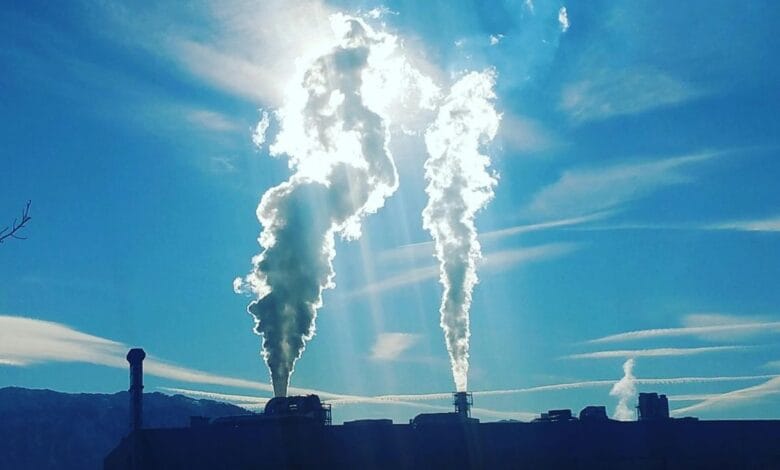
The average temperature of Earth is about 15°C, a balance that supports life but is slowly shifting. A sunny day is usually defined as a day with little cloud cover and strong sunlight reaching the ground. Across the world, many regions now experience over 200 sunny days each year on average, though this varies by location and season. Sunlight is essential, but constant exposure to heat can affect the body in clear ways. Heat can disrupt sleep, increase dehydration, and raise physical stress levels. At a global level, rising temperatures have already been linked to major health outcomes, including estimates that global warming contributes to hundreds of thousands of deaths each year. The heat effects are well known, but researchers are now asking a deeper question about whether such conditions may also influence mental health.
Early findings show a pattern where these environmental changes are linked to shifts in suicide risk within a short time frame. This does not mean the environment directly causes such outcomes, but it raises important questions about how physical surroundings interact with emotional and psychological states. Understanding this link may help explain how daily conditions can shape human behavior in subtle but measurable ways.
Can Heat and Air Pollution Affect Suicide Risk?
Previously, many studies have also shown how polluted air affects ecosystems, including how polluted air is disrupting ant colonies and altering their survival patterns. Now, researchers from the University of Utah studied how short term changes in temperature and air quality relate to suicide risk. The study found that on days with higher heat and more air pollution, suicide rates were higher. This shows a timing link, but it does not prove direct cause. The researchers used a case crossover design. This method compares the same person’s exposure at different times. Each person serves as their own comparison, which reduces the effect of factors that do not change quickly.
The study used data from multiple regions in the United States. It combined temperature and pollution records with suicide data. By matching these records day by day, the researchers identified short term patterns. The main result is that increases in temperature and pollution are followed by an increase in suicide risk within a short period. This suggests that these conditions may act as triggers for some individuals. A separate study in Environment International reported similar patterns. The consistency across studies supports the observed association, though the cause is not confirmed. Temperature changes have also been linked to broader biological effects, including findings that high temperatures are associated with fewer male births.
Why Might Heat and Pollution Influence Mental Health?
Researchers are examining how heat and polluted air could affect the brain and behavior. One explanation involves inflammation. Air pollution contains fine particles that enter the body and can trigger inflammation. This process may also affect brain function. Heat affects the body in several ways. High temperatures can disrupt sleep, reduce hydration, and increase physical stress. Poor sleep is linked to changes in mood and emotional control.
These effects can occur together. Exposure to both heat and pollution may increase fatigue and stress. These conditions may affect how a person thinks or reacts, especially during short periods of exposure. Behavioral changes are also considered. High temperatures can reduce outdoor activity and social interaction. Reduced interaction may increase isolation. This is especially important in cities, where experts are exploring nature based solutions to reduce urban heat and improve living conditions. Heat is also linked to irritability and impulsive behavior, which can affect decision making. These pathways are still being studied. Current explanations describe possible biological and behavioral links, but they are not confirmed mechanisms.
What Are the Limits of This Research?
The study identifies an association between environmental conditions and suicide risk, but it does not establish causation. Suicide involves multiple factors, including mental health conditions, social environment, and access to care.
One limitation is exposure measurement. The study uses regional data for temperature and pollution, which may not reflect individual exposure. Personal factors such as indoor conditions and daily activity can change actual exposure levels. Other research also suggests that repeated exposure to extreme heat may speed up aging, particularly in older adults. Another limitation is the presence of other influences. Heat and pollution events may occur alongside other stressors. These can include economic pressure or social disruption, which may also affect mental health. There are also limits in suicide data reporting. While official records are generally consistent, small differences in classification can affect short term analysis.
Despite these limits, the study adds evidence that short term environmental changes are linked to suicide risk. It focuses on daily variation rather than long term trends. Further research may improve measurement using real time data and individual level tracking. Current findings show that heat and air pollution are associated with mental health outcomes during short exposure periods.
FAQs on Does Heat Increase Suicide Risk?
Q: Does hot weather and air pollution increase suicide risk in the short term?
A: Research shows a clear short term association between higher temperatures, increased air pollution, and a rise in suicide risk. The effect appears within a narrow time window after exposure. However, this link does not prove direct causation and should be understood as one factor among many.
Q: How does extreme heat affect mental health and behavior?
A: Extreme heat can disrupt sleep, increase dehydration, and raise physical stress levels. These changes can affect mood, leading to irritability, fatigue, and difficulty concentrating. Such effects may make it harder for individuals to manage existing mental health challenges.
Q: Can air pollution directly impact brain function and emotional stability?
A: Air pollution contains fine particles that can enter the body and trigger inflammation. Some studies suggest this inflammation may affect brain function and emotional regulation. While this is a possible explanation, it is still being studied and not fully confirmed.
Q: Why are short term temperature spikes linked to higher suicide rates?
A: Short term temperature spikes may act as immediate stressors on the body and mind. These rapid changes can disrupt normal routines, sleep, and comfort levels. For vulnerable individuals, this added stress may increase risk during that specific period.
Q: Are certain people more vulnerable to heat and pollution related mental health effects?
A: Yes, individuals with existing mental health conditions may be more sensitive to environmental stressors. People with limited access to cooling systems or clean air may also face higher exposure. Vulnerability can vary based on personal, social, and economic factors.
Q: How many sunny days does the world experience on average each year?
A: Many regions across the world experience more than 200 sunny days annually on average. This number varies widely depending on geography, climate, and season. Increased sunny days often mean more exposure to heat, especially in already warm regions.
Q: What are the known physical effects of exposure to high heat?
A: Exposure to high heat can lead to dehydration, heat exhaustion, and increased cardiovascular strain. It can also disrupt sleep patterns and reduce overall physical comfort. These physical effects can indirectly influence mental well being.
Q: Is there a difference between long term climate change effects and short term heat exposure?
A: Yes, long term climate change looks at gradual trends over years or decades. Short term exposure focuses on immediate changes in temperature or pollution within days. This study specifically examines how short bursts of exposure relate to mental health outcomes.
Q: Can staying indoors during hot and polluted days reduce mental health risks?
A: Staying indoors in cooler, cleaner environments may reduce physical exposure to heat and pollution. This can help lower stress on the body. However, reduced social interaction and isolation indoors can also affect mental health, so balance is important.
Q: How do researchers study the link between environmental factors and suicide risk?
A: Researchers often use methods like case crossover design, where individuals are compared to themselves at different times. This helps identify short term patterns between exposure and outcomes. Environmental data is matched with health records to detect timing relationships.
External Sources
- News from University of Utah. Short-Term Heat Stress and Air Pollution Linked to Increased Suicide Risk. Mar 12, 2026. Available from: https://healthcare.utah.edu/newsroom/news/2026/03/short-term-heat-stress-and-air-pollution-linked-increased-suicide-risk
- Lamichhane DK, VanDerslice JA, Lurmann F, Pavlovic NR, Staley MJ, Tharp DS, Peluso A, Byrwa-Hill BM, Zhang Y, Docherty AR, Coon H. Independent and interactive effects of wet bulb globe temperature and air pollution exposures on suicide mortality. Environment International. 2026 Feb 21:110152. Doi: 10.1016/j.envint.2026.110152.
- Andrews O, Le Quéré C, Kjellstrom T, Lemke B, Haines A. Implications for workability and survivability in populations exposed to extreme heat under climate change: a modelling study. The Lancet Planetary Health. 2018 Dec 1;2(12):e540-7. Doi: 10.1016/S2542-5196(18)30240-7.
Disclaimer:
Some aspects of the webpage preparation workflow may be informed or enhanced through the use of artificial intelligence technologies. While every effort is made to ensure accuracy and clarity, readers are encouraged to consult primary sources for verification. External links are provided for convenience, and Honores does not endorse, control, or assume responsibility for their content or for any outcomes resulting from their use. The author declares no conflicts of interest in relation to the external links included. Neither the author nor the website has received any financial support, sponsorship, or external funding. This content is for informational purposes only and is not medical advice. Please consult a qualified physician before making health decisions. Images are for representational purposes only. Photo by Jon.