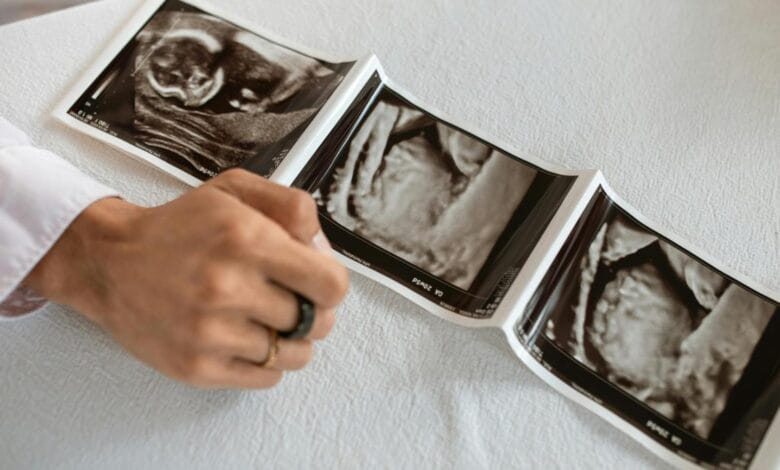
Pregnancy changes many parts of the human body. Hormone levels shift and organs adjust as the body prepares to support a growing baby. Research shows that the brain also changes during pregnancy. Brain imaging studies report that a second pregnancy can reshape the brain in ways that differ from a first pregnancy.
Researchers used magnetic resonance imaging, or MRI, to examine how the brain changes over time. The study followed 110 women and compared brain scans taken before pregnancy and after childbirth. Some participants were preparing for their first pregnancy. Others were expecting a second child. A third group did not become pregnant during the study. The results indicate that the brain does not complete its adjustment during the first pregnancy alone. Instead, neural systems may continue to change during later pregnancies.
How Pregnancy Changes the Brain
Earlier studies showed that a first pregnancy can alter parts of the brain linked to social perception and emotional processing. These areas help people recognize facial expressions, interpret emotions, and respond to social signals. In the recent research, scientists examined a set of connected brain regions known as the default mode network. This network becomes active during self reflection and when people try to understand the thoughts or feelings of others.
During a first pregnancy, this network showed noticeable structural changes. Researchers suggest these changes may relate to sensitivity to infant cues such as crying or facial expressions. When the scientists examined women during a second pregnancy, the same network still changed, but the differences were smaller than those observed during the first pregnancy. Other brain systems showed clearer changes. These systems are involved in attention control and sensory processing. They help the brain detect signals in the surrounding environment and direct focus toward important information.
The study also measured gray matter and white matter in the brain. Gray matter contains neurons that process information. White matter forms pathways that allow communication between different brain regions. MRI scans showed that both gray matter organization and white matter connections can shift during pregnancy. The findings indicate that the maternal brain can change more than once across different pregnancies.
Why a Second Pregnancy May Affect the Brain Differently
A second pregnancy occurs in a different daily environment than the first. During the first pregnancy, a woman prepares to care for one newborn. During a later pregnancy, she may already be caring for an older child. This situation can involve multiple sources of sound, movement, and activity. Brain networks related to attention may change as the brain responds to these conditions.
The researchers also examined whether brain differences were linked to mental health during pregnancy and the period after childbirth. Certain structural patterns in the brain showed associations with depressive symptoms. The timing of these associations differed between groups. In first pregnancies, links between brain structure and depressive symptoms appeared more clearly after childbirth. In second pregnancies, the associations appeared more often during pregnancy.
The study cannot determine whether brain changes cause depressive symptoms. Mental health during pregnancy and the postpartum period is influenced by factors such as hormonal changes, sleep patterns, stress, and social support. Changes in brain structure do not indicate damage or decline. Structural differences often occur when neural systems reorganize as people adapt to new tasks or environments. Parenting involves constant monitoring of signals, shifts in attention, and responses to changing situations. Neural networks involved in these functions may adjust as caregiving responsibilities change.
The study leaves several questions unanswered. The researchers followed participants through pregnancy and the early postpartum period. The scans cannot show whether these brain differences remain for many years or gradually move closer to earlier patterns. Even with these limits, the results show that the human brain can change in response to major life experiences. Pregnancy and parenthood involve new demands that can be reflected in brain structure and activity.
FAQs on Brain Changes During a Second Pregnancy
Q: Does pregnancy change the women brain?
A: Yes, research shows that pregnancy can lead to measurable changes in the brain. Brain imaging studies have found shifts in gray matter, white matter, and communication between brain networks. These changes are thought to relate to the new mental and emotional demands of caring for a baby.
Q: Does a second pregnancy affect the women brain differently than the first?
A: Studies suggest that a second pregnancy can reshape the brain in ways that are partly different from a first pregnancy. While some of the same brain networks continue to change, other areas related to attention and sensory processing show stronger differences. This may reflect the brain adjusting to caring for more than one child.
Q: What parts of the women brain change during pregnancy?
A: Research has identified changes in several brain regions during pregnancy. These include areas linked to social understanding, emotional processing, attention, and sensory response. Scientists also observe differences in gray matter structure and white matter connections.
Q: Why might the women brain adapt during a second pregnancy?
A: A second pregnancy usually happens in a different family environment than the first. A mother may already be caring for an older child while preparing for a newborn. Brain systems involved in attention and sensory awareness may adjust to manage multiple sources of activity and signals.
Q: Are pregnancy related brain changes permanent in women?
A: Scientists are still studying how long these changes last. Some research suggests that certain brain differences may remain for years after childbirth, while others may gradually shift again over time. Brain plasticity allows the brain to continue adapting based on life experiences.
Q: What is the default mode network and why is it important during pregnancy?
A: The default mode network is a group of connected brain regions involved in self reflection and understanding the thoughts or emotions of others. Research shows that this network changes during pregnancy, especially during a first pregnancy. These changes may relate to recognizing and responding to a baby’s signals.
Q: Do brain changes during pregnancy mean cognitive problems?
A: Brain changes during pregnancy do not necessarily mean a decline in thinking ability. Many neuroscientists believe these changes reflect adaptation rather than impairment. The brain may reorganize to focus on tasks that are important for caregiving.
Q: Is there a connection between pregnancy brain changes and mental health?
A: Some studies have found links between certain brain patterns and depressive symptoms during pregnancy or after childbirth. However, these studies do not show that brain changes directly cause mental health conditions. Mental health during pregnancy is influenced by many factors such as hormones, stress, sleep, and support systems.
Q: How do scientists study brain changes during pregnancy?
A: Researchers often use magnetic resonance imaging, or MRI, to observe the brain before and after pregnancy. MRI allows scientists to measure changes in brain structure and activity over time. Comparing scans from different stages helps identify patterns related to pregnancy.
Q: Why is research on the maternal brain important?
A: Studying the maternal brain helps scientists understand how the body and brain respond to parenthood. This research may improve knowledge about bonding, caregiving behavior, and mental health during pregnancy and the postpartum period. It also helps explain how the brain adapts during major life transitions.
External Sources:
- Straathof M, Halmans S, Pouwels PJ, Crone EA, Hoekzema E. The effects of a second pregnancy on women’s brain structure and function. Nature Communications. 2026 Feb 19;17(1):1495. Doi: 10.1038/s41467-026-69370-8.
- NIH Research Matters, National Institutes of Health. Brain changes observed during pregnancy. Available from: https://www.nih.gov/news-events/nih-research-matters/brain-changes-observed-during-pregnancy
Disclaimer:
Some aspects of the webpage preparation workflow may be informed or enhanced through the use of artificial intelligence technologies. While every effort is made to ensure accuracy and clarity, readers are encouraged to consult primary sources for verification. External links are provided for convenience, and Honores does not endorse, control, or assume responsibility for their content or for any outcomes resulting from their use. The author declares no conflicts of interest in relation to the external links included. Neither the author nor the website has received any financial support, sponsorship, or external funding. Photo by RDNE Stock project.