For many people, the word “cancer” carries a heavy emotional weight. It evokes difficult journeys, courageous battles, and stories of resilience. Cancer touches nearly every family through a loved one’s diagnosis, a survivor’s story, or the hope inspired by ongoing research. It is not just a medical condition but a global challenge. While cancer claims millions each year, breakthroughs in diagnosis and treatment are rewriting the story, offering hope, strength, and the promise that no battle is fought in vain.
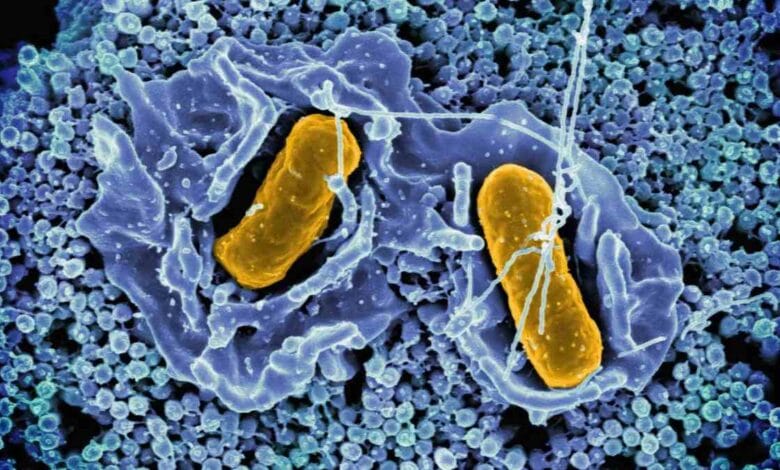
Cancer treatment usually involves surgery, chemotherapy, or radiation. These methods aim to destroy cancer cells while limiting harm to healthy tissue. Researchers are also studying another idea. Some teams are investigating whether bacteria can grow inside tumors and affect cancer tissue from within. Researchers have developed genetically programmed bacteria designed to grow inside tumors. These bacteria grow in areas where oxygen levels are very low. Many tumors contain such regions because cancer cells grow quickly and consume oxygen faster than it can be supplied through blood vessels.
Scientists noted that some bacteria naturally prefer low oxygen environments. If these bacteria can be controlled through genetic design, they may grow inside tumors and interact with tumor tissue.
How Bacteria Can Survive Inside Tumors
The research focuses on a bacterium called Clostridium sporogenes. This species normally lives in soil and grows best in environments without oxygen. Inside many solid tumors, the center often has low oxygen levels because blood vessels do not reach every part of the growing tumor. These conditions allow anaerobic bacteria such as Clostridium sporogenes to grow.
The process begins with bacterial spores. Spores are a dormant form of bacteria that can move through the body. When these spores enter the bloodstream, they circulate until they encounter tumor tissue. After reaching the oxygen poor center of a tumor, the spores activate and begin to grow. As the bacteria multiply, they consume nutrients and material present in the tumor environment. Tumors are not uniform structures. The center may contain little oxygen, but the outer edges often contain more oxygen because they are closer to blood vessels. In these regions anaerobic bacteria usually stop growing or die. This difference in oxygen levels limits how far the bacteria can spread within a tumor.
Engineering Bacteria with Genetic Circuits
Researchers used genetic engineering to address this limitation. They introduced a gene that allows the bacteria to tolerate small amounts of oxygen. The gene came from another bacterial species that survives in slightly oxygenated environments. Allowing bacteria to tolerate oxygen also raises safety concerns. If the bacteria gain this ability immediately, they might survive in normal tissues outside tumors. To control this risk, scientists designed a genetic system based on quorum sensing.
Quorum sensing is a communication process used by bacteria. Individual cells release small chemical signals into their surroundings. When only a few bacteria are present, the signal level is low. As the population increases, the signal concentration rises. When the signal reaches a certain threshold, bacteria activate specific genes at the same time.
Researchers used this system to build a genetic circuit. In this design, the oxygen tolerance gene activates only after a large number of bacteria gather inside the tumor. This arrangement means the bacteria gain their survival advantage after colonizing the tumor interior. To test the system, researchers used a fluorescent marker protein. The marker produces a visible signal when the gene circuit activates. The experiments showed that gene activation occurred when bacterial populations reached a high density.
A New Direction in Cancer Research
This work is part of a field called synthetic biology. Scientists in this field apply engineering methods to modify living organisms for defined tasks. Engineered microbes used in medicine are sometimes described as living therapeutics. Unlike conventional drugs that are broken down or removed from the body after a period of time, living cells can respond to conditions in their environment. Within tumors, bacteria may continue to grow and perform specific biological functions. Some engineered microbes are designed to release compounds that damage tumor cells. Others can stimulate immune responses that help the body recognize cancer cells.
Researchers have examined bacterial cancer therapies for many years. One example is Bacillus Calmette Guerin therapy, which has been used to treat certain forms of bladder cancer. The research described here examines a different strategy. The engineered bacteria are designed to grow in tumor environments and interact with tumor material. The work remains at an experimental stage. Current studies focus on laboratory tests that confirm the behavior of the genetic circuits.
Cancer remains a major cause of death worldwide. Global health data report millions of new cancer cases each year. Researchers continue to investigate methods that deliver therapies directly to tumor tissue. Microbial approaches are one area under study because some bacteria naturally grow in tumor environments. This ability may allow them to reach tumor regions that are difficult for some drugs to access. Before any clinical use, researchers must confirm that these systems operate safely and effectively. Future studies will examine how engineered microbes behave in more complex tumor models.
FAQs on Bacteria That Can Destroy Cancer Tumors
Q: How bacteria can be used to treat cancer?
A: Some bacteria grow naturally in low oxygen environments, which are common inside many cancer tumors. Scientists are studying genetically engineered bacteria that can enter these tumors and grow inside of them. The idea is that these microbes could interact with or break down cancer tissue from within.
Q: Why do certain bacteria grow better inside tumors than in normal tissue?
A: Many tumors develop areas with very low oxygen because they grow faster than their blood supply. Certain bacteria called anaerobic bacteria prefer these low oxygen conditions. Because healthy tissues usually contain more oxygen, these microbes are more likely to grow inside tumors.
Q: What is Clostridium sporogenes and why is it used in cancer research?
A: Clostridium sporogenes is a bacterium that normally lives in soil and grows without oxygen. Tumor centers often have similar low oxygen conditions. This makes the bacterium useful for research on bacteria that may grow inside tumors.
Q: What is quorum sensing and how does it help control engineered bacteria?
A: Quorum sensing is a way bacteria communicate using chemical signals. When enough bacteria gather together, certain genes switch on to regulate functions such as growth. Scientists use this system to control when engineered bacteria activate specific functions.
Q: Are bacteria-based cancer treatments already used in medicine today?
A: Most bacterial cancer therapies are still experimental. However, BCG therapy has been used for decades to treat some bladder cancers. It works by triggering the immune system to attack cancer cells.
Q: How do scientists make bacteria safer for cancer therapy?
A: Researchers design genetic controls that limit where bacteria can grow. Some bacteria are programmed to survive only in low oxygen environments like tumors. Others can be stopped using antibiotics if needed.
Q: Why tumors are difficult for traditional cancer drugs to reach?
A: Tumors often have poor blood flow in their inner regions. Because many drugs travel through the bloodstream, they may not reach these areas easily. Bacteria may be able to grow directly inside these hard to reach regions.
Q: What is synthetic biology and how is it used in cancer research?
A: Synthetic biology combines biology with engineering to redesign living cells. Scientists can program microbes with genetic circuits that control their behavior. In cancer research, this helps researchers design bacteria that respond to tumor environments.
Q: How close are scientists to using engineered bacteria to treat cancer in patients?
A: The research is still in early stages. Most experiments are currently done in laboratories. More studies and clinical trials are needed before such treatments could be used in patients.
External Sources;
- Sadr S, Zargar B, Aucoin MG, Ingalls B. Construction and Functional Characterization of a Heterologous Quorum Sensing Circuit in Clostridium sporogenes. ACS Synthetic Biology. 2025 Dec 8;14(12):4857-68. Doi: 10.1021/acssynbio.5c00628.
- Chowdhury S, Castro S, Coker C, Hinchliffe TE, Arpaia N, Danino T. Programmable bacteria induce durable tumor regression and systemic antitumor immunity. Nature medicine. 2019 Jul;25(7):1057-63. Doi: 10.1038/s41591-019-0498-z.
Disclaimer:
Some aspects of the webpage preparation workflow may be informed or enhanced through the use of artificial intelligence technologies. While every effort is made to ensure accuracy and clarity, readers are encouraged to consult primary sources for verification. External links are provided for convenience, and Honores does not endorse, control, or assume responsibility for their content or for any outcomes resulting from their use. The author declares no conflicts of interest in relation to the external links included. Neither the author nor the website has received any financial support, sponsorship, or external funding. Photo by National Institute of Allergy and Infectious Diseases on Unsplash.