Food choices are part of everyday life. What people eat each day can affect their health over time. Scientists have been studying the connection between diet and disease for many years. One topic they often examine is the link between diet and cancer. Breast cancer receives special attention because it is the leading cancer among women, with a new case diagnosed globally every 14 seconds. Besides, the breast cancer influenced by many factors, including genetics, hormones, lifestyle, and diet.
A recent international study examined how plant based diets relate to breast cancer risk. The research included tens of thousands of women from different regions. The analysis found that women who followed healthier plant centered diets had lower odds of developing breast cancer. The researchers also clarified that the results show an association, not proof that plant based diets prevent the disease.
How Scientists Studied Plant Based Diets and Breast Cancer
Researchers gathered dietary information from many women using detailed food frequency questionnaires. Participants reported how often they ate different foods. The researchers then monitored cancer registries and health records to identify breast cancer cases during the follow up period. The analysis focused not only on whether participants ate plant foods but also on the type and quality of those foods. Plant based diets can vary widely in nutritional quality.
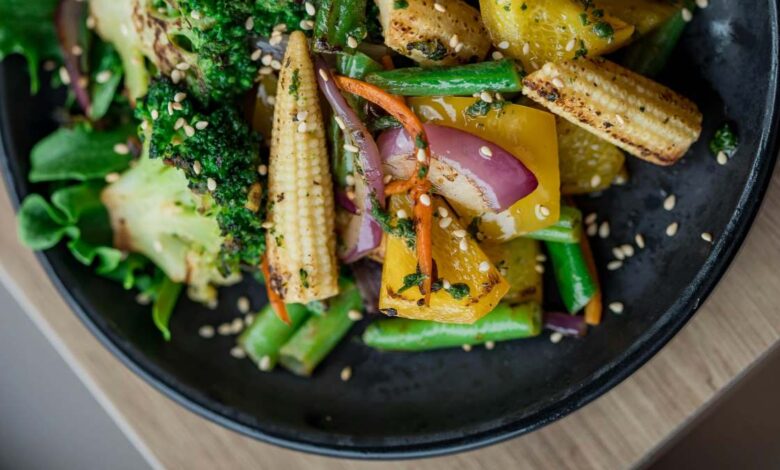
To study these differences, the researchers grouped diets into three categories. The first category measured adherence to a healthy plant based diet. This pattern included foods such as fruits, vegetables, whole grains, legumes, nuts, and unsaturated plant oils. The second category measured overall plant based intake without evaluating the nutritional quality of the foods. The third category represented less healthy plant based diets. These diets included higher intake of refined grains, sugary drinks, sweets, and processed plant foods.
After analyzing the data, researchers observed a consistent pattern. Women who consumed higher amounts of whole plant foods had lower odds of developing breast cancer compared with those who consumed fewer of these foods. Diets classified as unhealthy plant based patterns did not show the same association.
Why Whole Plant Foods may Matter
The findings highlight a key point in nutrition research. A plant based diet can differ depending on the foods included in the pattern. Whole plant foods and highly processed plant foods have different nutritional profiles. Foods such as vegetables, legumes, fruits, whole grains, and nuts contain fiber, vitamins, minerals, and other naturally occurring compounds. Fiber is one component that researchers study closely. Diets rich in fiber may influence hormone metabolism in the digestive system. This process can affect circulating estrogen levels in the body. Estrogen exposure plays a role in many types of breast cancer.
Plant foods also contain phytochemicals. Examples include flavonoids, carotenoids, and polyphenols. Laboratory studies show that some of these compounds can affect oxidative stress, inflammation, and cellular signaling processes related to cell growth. Body weight may also play a role. Obesity is a recognized risk factor for breast cancer after menopause. Diets that emphasize minimally processed plant foods often contain lower energy density and higher fiber content. These characteristics may support weight management.
Why Researchers are Careful with their Conclusions
The study used observational data. Observational studies identify patterns within populations but cannot establish cause and effect relationships. Several factors explain this limitation. Dietary intake was recorded through self reported questionnaires. Participants may not accurately recall all foods consumed or portion sizes. Another issue involves confounding variables. Individuals who follow healthier diets may also maintain other health related habits. These habits may include regular physical activity, lower alcohol consumption, avoiding smoking, and participating in preventive health screenings.
Statistical models attempt to adjust for these factors, but some differences between groups may remain. Similar associations between plant rich dietary patterns and lower risk of chronic disease have appeared in previous research. Studies examining cardiovascular disease and metabolic disorders have reported comparable patterns.
Breast cancer is the most commonly diagnosed cancer among women worldwide. Global cancer surveillance data report more than two million new cases each year. Researchers continue to examine lifestyle factors that may influence long term risk. The study contributes additional evidence about the role of overall dietary patterns. A plant based diet centered on whole foods differs from one dominated by refined grains, sugary beverages, and processed snacks.
Nutrition researchers continue to examine how long term dietary habits influence health outcomes. Current evidence focuses on dietary patterns rather than single foods or nutrients.
FAQs on Plant-Based Diet for Breast Cancer Prevention
Q: Does a plant based diet reduce breast cancer risk?
A: Research suggests that women who follow healthier plant based diets may have lower odds of developing breast cancer. These diets usually include foods like fruits, vegetables, whole grains, legumes, nuts, and healthy plant oils. However, studies show an association rather than proof that plant based diets directly prevent breast cancer.
Q: What foods are included in a healthy plant based diet linked to lower breast cancer risk?
A: A healthy plant based diet focuses on whole plant foods such as vegetables, fruits, whole grains, beans, lentils, nuts, and seeds. These foods provide fiber, vitamins, minerals, and natural plant compounds. Researchers found that diets rich in these foods were associated with lower breast cancer risk compared with diets low in whole plant foods.
Q: Are all plant based diets equally protective against breast cancer?
A: No. The quality of plant foods matters. Diets high in refined grains, sugary drinks, sweets, and processed snacks may technically be plant based but do not show the same association with lower breast cancer risk. Studies indicate that whole and minimally processed plant foods are more strongly linked with health benefits.

Q: Why might whole plant foods help lower the risk of breast cancer?
A: Whole plant foods contain fiber and phytochemicals that may affect hormone metabolism and inflammation in the body. Fiber can influence estrogen levels in the digestive system, which is important because estrogen exposure is linked to certain types of breast cancer. Plant compounds such as flavonoids and polyphenols may also play a role in cellular processes related to disease development.
Q: Can diet alone prevent breast cancer?
A: Diet is only one factor that may influence breast cancer risk. Genetics, hormones, physical activity, alcohol use, body weight, and other lifestyle habits also play important roles. Research on plant based diets shows associations with risk patterns but does not confirm that diet alone can prevent breast cancer.
Q: How does body weight connect plant based diets to breast cancer risk?
A: Obesity is a known risk factor for breast cancer after menopause. Diets rich in whole plant foods often contain more fiber and fewer calories per serving. These characteristics can help people maintain a healthy body weight, which may indirectly influence breast cancer risk.
Q: How do scientists study the link between diet and breast cancer risk?
A: Researchers usually collect dietary information through food frequency questionnaires where participants report their typical eating habits. They then follow participants over time using medical records or cancer registries to track disease outcomes. This type of observational research helps identify patterns between diet and cancer incidence.
Q: Is there global evidence connecting plant rich diets with lower cancer risk?
A: Studies from different regions have reported similar patterns between diets rich in vegetables, fruits, legumes, and whole grains and lower risks of several chronic diseases. These include cardiovascular disease, metabolic disorders, and some cancers. International datasets help researchers examine how dietary patterns relate to health outcomes across populations.
Q: What lifestyle habits along with diet may help reduce breast cancer risk?
A: Health researchers often study multiple lifestyle factors together. Regular physical activity, maintaining a healthy body weight, limiting alcohol intake, and avoiding smoking are commonly linked with better long term health outcomes. When combined with a diet rich in whole plant foods, these habits may contribute to lower overall disease risk.
External Sources:
- Xu W, Gu W, Huang Y, Li S, Liu H, Zhu X. Plant-based dietary patterns, micronutrient status and breast cancer outcomes: a joint analysis of UK Biobank and Chinese longitudinal healthy longevity survey. Frontiers in Nutrition. 2026 Jan 26;12:1748611. Doi: 10.3389/fnut.2025.1748611.
- Shah S, Laouali N, Mahamat-Saleh Y, Biessy C, Nicolas G, Rinaldi S, Zamora-Ros R, Papadimitriou N, Morales-Berstein F, Dahm CC, Christensen AK. Plant-based dietary patterns and breast cancer risk in the European prospective investigation into cancer and nutrition (EPIC) study. European Journal of Epidemiology. 2025 Aug;40(8):947-58. Doi: 10.1007/s10654-025-01277-y.
- American Cancer Society. Guideline for Diet and Physical Activity for Cancer Prevention. Available from: https://www.cancer.org/cancer/risk-prevention/diet-physical-activity/acs-guidelines-nutrition-physical-activity-cancer-prevention.html
Disclaimer:
Some aspects of the webpage preparation workflow may be informed or enhanced through the use of artificial intelligence technologies. While every effort is made to ensure accuracy and clarity, readers are encouraged to consult primary sources for verification. External links are provided for convenience, and Honores does not endorse, control, or assume responsibility for their content or for any outcomes resulting from their use. The author declares no conflicts of interest in relation to the external links included. Neither the author nor the website has received any financial support, sponsorship, or external funding. Photo by Valeria Boltneva.