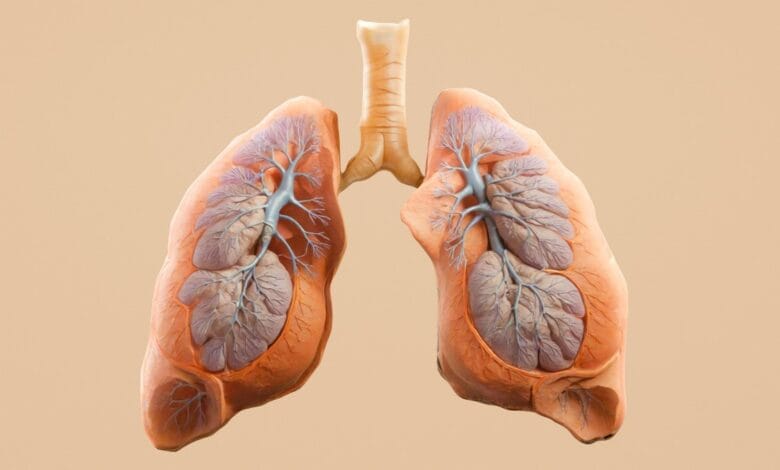
For many years, lung cancer was strongly associated with smoking. Tobacco use remains the main cause of the disease worldwide. Most cases and deaths from lung cancer are still linked to cigarette smoking. At the same time, doctors and researchers have reported a steady number of lung cancer diagnoses in people who have never smoked. This group includes individuals who have smoked fewer than 100 cigarettes in their lifetime or never used tobacco products regularly.
Clinical reports and population studies show that lung cancer in never smokers represents a measurable share of total cases. In high income countries, estimates suggest that about 10-20 percent of lung cancer cases occur in people who have never smoked. In some East Asian populations, the proportion can reach 25 percent or more. Doctors have also noted that many of these patients are diagnosed only after symptoms appear. Lung cancer screening programs in many countries focus mainly on individuals with a long smoking history. Because of this focus, people who have never smoked are often outside routine screening criteria.
Why Lung Cancer Can Occur Without Smoking
Researchers have examined several risk factors that may contribute to lung cancer in people who do not smoke. Environmental exposures are one of the main areas of study. Air pollution is a frequently studied factor. Fine particulate matter in polluted air can enter the lungs during breathing. Long term exposure may damage lung cells and lead to genetic mutations. Some studies have reported mutation patterns in tumors from never smokers that resemble those linked to tobacco related damage.
Radon gas is another known risk factor. Radon forms naturally from the breakdown of radioactive elements in soil and rock. The gas can accumulate in buildings and homes, particularly in poorly ventilated areas. Long term exposure to elevated radon levels has been associated with increased lung cancer risk.
Secondhand smoke can also affect people who do not smoke. Repeated exposure to tobacco smoke from other people can introduce carcinogens into the lungs. Occupational exposures have also been linked to lung cancer risk. Some workplaces involve contact with substances such as asbestos, diesel exhaust, or industrial chemicals. Long term exposure to these materials may contribute to lung cancer development.
In certain regions, indoor smoke from biomass fuels used for cooking or heating has also been studied. Burning wood, coal, or other solid fuels inside homes can produce heavy smoke that affects indoor air quality. Each of these factors generally carries a lower risk than direct cigarette smoking. However, multiple exposures and genetic susceptibility may combine to increase risk.
How Lung Cancer in Never Smokers Is Different
Researchers have observed biological differences between lung cancer in smokers and lung cancer in people who have never smoked. One difference involves the type of tumor. Lung cancer in never smokers is frequently diagnosed as adenocarcinoma. This subtype often develops in the outer regions of the lungs.
Molecular studies have identified genetic changes that appear more frequently in tumors from never smokers. Mutations in genes such as EGFR and rearrangements in genes such as ALK occur more often in this group compared with tumors linked to tobacco exposure.
These genetic alterations can influence how tumors grow and how they respond to treatment. Some patients with these mutations may respond to targeted therapies designed to block specific molecular pathways involved in cancer growth. The mutational patterns in tumors from smokers often differ. Tobacco related cancers tend to show a broader range of mutations associated with long term exposure to carcinogens in cigarette smoke.
Challenges With Lung Cancer Screening
Current lung cancer screening guidelines in several countries focus on age and smoking history. In the United States, for example, screening recommendations include adults within a defined age range who have a significant history of cigarette smoking. These guidelines are based on clinical trials showing that low dose CT scans can reduce lung cancer deaths among individuals with high smoking related risk. People who have never smoked generally fall outside these criteria. As a result, routine screening is not widely recommended for them.
Expanding screening to include all never smokers presents challenges. The overall risk of lung cancer in this group is lower than in long term smokers. Screening a population with lower risk increases the likelihood of false positive findings and unnecessary follow up procedures. Researchers are studying new risk prediction models that include factors beyond smoking history. Environmental exposures, genetic markers, and other risk indicators may help identify subgroups of never smokers who have higher risk.
A Changing Understanding of Lung Cancer
Smoking remains the primary cause of lung cancer worldwide. Tobacco exposure accounts for most cases and deaths. At the same time, lung cancer in never smokers represents a consistent share of diagnoses across different populations. Research continues to examine environmental exposures, genetic factors, and biological mechanisms involved in these cases. This work aims to clarify how lung cancer develops in people who have not smoked and to improve methods for identifying individuals who may benefit from earlier detection and treatment.
FAQs on Why Lung Cancer in People Who Never Smoked Is Rising
Q: Can people who never smoked still get lung cancer?
A: Yes. Lung cancer can occur in people who have never smoked, although smoking remains the leading cause of the disease. Studies estimate that about 10-20 percent of lung cancer cases in high income countries occur in never smokers, and the proportion can be higher in some regions such as East Asia.
Q: What causes lung cancer in people who have never smoked?
A: Several factors may contribute to lung cancer in never smokers. These include long term exposure to air pollution, radon gas in homes, secondhand tobacco smoke, and certain occupational exposures such as asbestos or diesel exhaust. Genetic mutations and inherited susceptibility may also play a role in how the disease develops.

Q: Is lung cancer in never smokers becoming more common?
A: The proportion of lung cancer cases among never smokers has increased in many populations. This change is partly linked to declining smoking rates, which means a larger share of diagnosed cases occurs in people who do not smoke. Researchers are continuing to study environmental and genetic factors that may influence this trend.
Q: What type of lung cancer is most common in people who never smoked?
A: Adenocarcinoma is the most common type of lung cancer diagnosed in never smokers. This subtype usually forms in the outer areas of the lungs and often has different genetic mutations compared with cancers caused by tobacco smoke. These biological differences can influence treatment options.
Q: Why are most lung cancer screening programs focused on smokers?
A: Screening guidelines mainly target people with a significant smoking history because clinical trials have shown that low dose CT scans reduce lung cancer deaths in this high risk group. People who never smoked have a lower overall risk, which makes widespread screening less efficient and increases the chance of false positive results.
Q: Should people who never smoked get screened for lung cancer?
A: Routine lung cancer screening is not currently recommended for most never smokers under existing guidelines. However, researchers are studying new risk models that consider factors such as environmental exposure, genetics, and family history. These models may help identify higher risk individuals who could benefit from screening in the future.
Q: What environmental exposures increase lung cancer risk in non smokers?
A: Several environmental exposures have been linked to lung cancer risk in people who do not smoke. These include long term exposure to fine particulate air pollution, radon gas inside buildings, secondhand tobacco smoke, and workplace exposure to carcinogens such as asbestos or chemical fumes.
Q: Are lung cancer tumors different in smokers and never smokers?
A: Yes. Tumors in never smokers often have different molecular features compared with smoking related lung cancers. For example, mutations in genes such as EGFR or ALK appear more frequently in never smokers, which can affect how the cancer responds to targeted treatments.
Q: Can air pollution increase the risk of lung cancer in people who never smoked?
A: Research suggests that long term exposure to polluted air can damage lung cells and lead to DNA mutations. Some studies have found mutation patterns in tumors from never smokers that resemble damage caused by tobacco smoke. While the risk is lower than smoking, air pollution is considered an important environmental factor.
Q: Why lung cancer often diagnosed later in people who never smoked?
A: Many never smokers do not qualify for routine lung cancer screening because guidelines focus on smoking history. Without regular screening, the disease may only be discovered when symptoms appear and medical imaging is performed. This can lead to diagnosis at a later stage compared with screened high risk smokers.
External Sources:
- Caswell DR, Hiley C, Murphy C, Bao LC, Swanton C. Lung cancer in never smokers: from early detection to prevention. Trends in Cancer. 2026 Feb 11. Doi: 10.1016/j.trecan.2025.12.009.
- Ge X, Liu X, Xu WH, Sun Y, Lin H, Shen P, Chen H, He N. Trends in the incidence of lung cancer in never smokers in Eastern China: a retrospective population-based cohort study using regional electronic health records. BMJ open. 2025 Sep 1;15(9):e104941. Doi: 10.1136/bmjopen-2025-104941.
- See KC. Lung cancer screening for never smokers: current evidence and future directions. Singapore Medical Journal. 2026 Jan 1;67(1):3-10. Doi: 10.4103/singaporemedj.SMJ-2023-007.
Disclaimer:
Some aspects of the webpage preparation workflow may be informed or enhanced through the use of artificial intelligence technologies. While every effort is made to ensure accuracy and clarity, readers are encouraged to consult primary sources for verification. External links are provided for convenience, and Honores does not endorse, control, or assume responsibility for their content or for any outcomes resulting from their use. The author declares no conflicts of interest in relation to the external links included. Neither the author nor the website has received any financial support, sponsorship, or external funding. Photo by Aakash Dhage on Unsplash