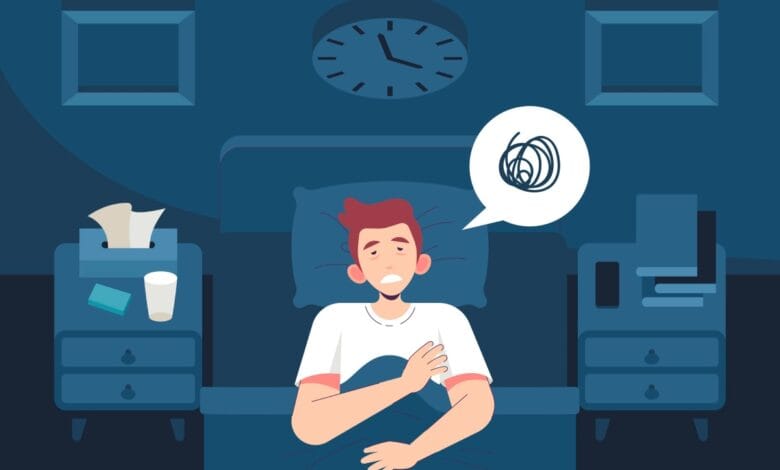
Sleep affects decision-making in profound and often underestimated ways. Even a single night of disrupted or insufficient sleep can slow reaction times, impair attention, and reduce the brain’s ability to assess risk or solve problems. Beyond cognition, inadequate sleep reshapes emotional stability and metabolic regulation, subtly but significantly altering how we feel, think, and even how our bodies handle energy. This article explores the latest research on sleep’s impact on decision-making, mood, and metabolism, emphasizing the importance of prioritizing restorative rest in our increasingly sleepless world.
How Sleep Shapes Decision-Making
The brain’s prefrontal cortex, responsible for logic, planning, and impulse control, relies heavily on adequate sleep to function optimally. Sleep deprivation diminishes the reliability of these higher-order functions, leading to poorer judgment, increased risk-taking, and diminished problem-solving skills. Early evidence suggests that even partial sleep restriction—commonly experienced by shift workers or college students—can impair decision-making nearly as much as alcohol intoxication.
Even one night of poor sleep can cloud judgment, slow reaction time, and compromise critical thinking.
Lack of sleep slows the processing speed in neural networks. Tasks requiring sustained attention, rapid decision-making, or complex planning are particularly vulnerable. For example, sleep-deprived individuals show slower responses in computerized cognitive tests and are more prone to errors when evaluating complex situations. Chronic sleep insufficiency compounds these deficits, leaving cognitive functions persistently compromised.
Comparisons With Neurological Conditions
Some studies indicate that chronic sleep deprivation can mimic cognitive deficits observed in aging brains or mild neurodegenerative conditions. While not identical, these findings underscore the profound influence sleep exerts on executive functions and memory consolidation.
Sleep loss can create brain fog resembling that seen in early cognitive decline, highlighting its critical role in maintaining mental clarity.
Mood Instability and Emotional Reactivity
Beyond cognition, sleep strongly shapes emotional responses. Poor sleep disrupts the regulation of amygdala-driven emotional processing, making people more reactive, irritable, and sensitive to stress. Early research suggests that sleep-deprived individuals may overreact to negative stimuli and struggle to interpret social cues accurately.
Chronic sleep insufficiency is linked to increased vulnerability to anxiety, depression, and emotional instability. While causation is complex and multifactorial, longitudinal studies indicate that persistent sleep disruption is a significant risk factor for mood disorders. Recognizing sleep as foundational for emotional resilience is critical for both mental health interventions and daily life performance.
A sleepless night doesn’t just make you tired; it can amplify stress, irritability, and emotional sensitivity.
Metabolic Consequences of Sleep Loss
Poor sleep affects hormonal balance, particularly ghrelin (hunger hormone) and leptin (satiety hormone). When sleep is insufficient, ghrelin levels increase while leptin decreases, driving cravings for calorie-dense, sugary foods. This hormonal shift partly explains why sleep-deprived individuals may overeat, contributing to long-term weight gain and metabolic strain.
Sleep deprivation also impairs glucose regulation. Reduced insulin sensitivity diminishes the body’s ability to process glucose efficiently, increasing the risk for type 2 diabetes and other metabolic disorders. Early results suggest that even acute sleep disruption can reduce insulin sensitivity, though chronic sleep loss exacerbates the effect over time.
Sleep isn’t just for the brain — it helps regulate hunger, energy, and how the body processes glucose.


Long-Term Health Risks
Over time, chronic sleep deprivation can contribute to obesity, insulin resistance, and cardiovascular strain. This metabolic disruption often occurs silently, accumulating risk without immediate, obvious symptoms. The scientific consensus increasingly positions consistent, high-quality sleep as a preventive strategy for maintaining metabolic health.
Treating sleep as expendable for work, social obligations, or productivity may be short-sighted. Evidence indicates that sleep is not merely a period of rest but an active state essential for decision-making, emotional resilience, and metabolic stability. Recognizing sleep as a strategic asset could improve workplace productivity, reduce health risks, and enhance overall quality of life.
Small, achievable interventions—such as consistent sleep schedules, reducing screen exposure before bedtime, and optimizing bedroom conditions—can yield measurable improvements in cognitive function, mood, and metabolic balance. While individual responses vary, incremental improvements reinforce the brain-body benefits of prioritizing rest.
Prioritizing consistent, high-quality sleep is an investment in sharper thinking, emotional balance, and long-term health.
Future Directions in Sleep Research
Researchers are exploring how genetics, age, and lifestyle influence sleep needs and susceptibility to sleep-related impairments. Understanding these differences could help tailor interventions and provide personalized recommendations for optimal rest.
Wearable devices and sleep-tracking technologies offer opportunities for real-time feedback, helping individuals optimize rest. Future studies may clarify how these tools can support cognitive, emotional, and metabolic health across populations.
Translating research insights into practical guidelines remains a priority. Bridging laboratory findings with real-world interventions—such as workplace scheduling, school start times, and public health messaging—could dramatically reduce the societal burden of sleep deprivation.
Sleep is not a luxury; it is a foundational pillar for cognition, emotion, and metabolism.
Conclusion
The evidence is clear: sleep is a cornerstone of human functioning. Poor sleep affects decision-making, mood, and metabolism in ways that ripple through daily life and long-term health. From cognitive slowing and emotional volatility to metabolic dysregulation, the consequences of inadequate rest are profound but preventable. While more research will refine our understanding of individual differences and optimal interventions, current findings underscore a simple, actionable message: prioritizing consistent, high-quality sleep is essential for sharper thinking, emotional resilience, and a healthier body.
Sources
- Altius. (2025). How poor sleep affects decision-making, mood, and metabolism.
- Walker, M. P. (2017). Why We Sleep: Unlocking the Power of Sleep and Dreams. Scribner.
- Spiegel, K., Tasali, E., Penev, P., & Van Cauter, E. (2004). Sleep deprivation alters hormonal regulation of appetite. The Lancet, 363(9403), 772–778.
- Killgore, W. D. S. (2010). Effects of sleep deprivation on cognition. Progress in Brain Research, 185, 105–129.
Disclaimer
Some aspects of the webpage preparation workflow may be informed or enhanced through the use of artificial intelligence technologies. While every effort is made to ensure accuracy and clarity, readers are encouraged to consult primary sources for verification. External links are provided for convenience, and Honores is not responsible for their content or any consequences arising from their use.