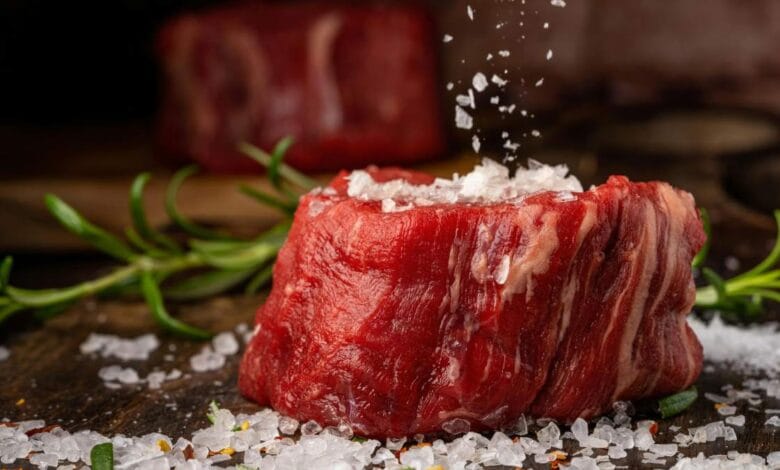
Many people eat red meat as part of their regular meals. Foods like burgers, steaks, and sausages are common in many diets in the United States and other countries. Researchers continue to study how certain foods relate to long term health. A large national study in the United States examined whether eating more red meat is linked with a higher risk of diabetes. As per the U.S. Centers for Disease Control and Prevention (CDC)’s National Diabetes Statistics Report, in 2023 about 40.1 million people in the United States have diabetes, representing around 12 percent of the population. In addition, about 115.2 million U.S. adults are estimated to have prediabetes.
The research used health and diet information from the National Health and Nutrition Examination Survey, known as NHANES. This program collects data on health behaviors and medical conditions from people across the United States. The survey includes details about diet, medical history, and clinical health measurements. Researchers used these records to study the relationship between red meat consumption and diabetes risk. The analysis included 34,737 adults with an average age of about 46 years. Scientists compared the diets of people who ate different amounts of red meat and examined how many had diabetes.
Large U.S. Study links Red Meat Consumption to Diabetes Risk
The data showed a pattern. Adults who reported eating higher amounts of red meat were more likely to have diabetes than those who reported lower intake. Researchers identified diabetes using several clinical indicators. These included a physician diagnosis, elevated fasting blood glucose, hemoglobin A1c levels of at least 6.5 percent, or the use of glucose lowering medications. After adjusting for demographic and lifestyle factors, the difference remained. Participants in the highest red meat intake group had about 49 percent higher odds of having diabetes compared with those in the lowest intake group.
The study also examined different categories of meat. Processed red meat, such as bacon or sausages, was linked with about 47 percent higher odds of diabetes. Unprocessed red meat, including fresh beef or pork, was linked with about 24 percent higher odds. The analysis identified an association, not a cause. The study used survey data collected at one point in time, so it cannot determine whether red meat intake directly leads to diabetes.
Plant Based Protein Substitutions Show Lower Risk
Researchers also examined possible dietary substitutions. They modeled what might happen if a serving of red meat were replaced with other foods. The statistical models suggested that replacing one daily serving of red meat with plant based proteins was linked with lower odds of diabetes. These protein sources included nuts, seeds, legumes, and soy products.
When these foods replaced red meat in the models, the odds of diabetes were about 9 to 14 percent lower. Substitution models do not represent controlled experiments. They show how different dietary patterns appear within population data. Nutrition researchers often examine substitutions because the effect of reducing one food depends on the foods that replace it.
Why Scientists Continue Studying Diet and Diabetes
Type 2 diabetes affects many people worldwide. In the United States, millions of adults live with the condition, according to data from the Centers for Disease Control and Prevention. Researchers study diet because food choices influence metabolism, blood glucose levels, and insulin function. Several biological pathways have been proposed to explain the link between red meat and diabetes. One involves heme iron, a form of iron found in red meat. High intake of heme iron has been linked in some research to oxidative stress and metabolic pathways related to insulin resistance.
Another area of study involves compounds formed during meat processing or high temperature cooking. Processed meats can contain nitrates or nitrites. Cooking methods such as grilling or frying can also produce chemical byproducts that researchers continue to examine. Saturated fat is another factor discussed in nutrition research. Some studies have linked higher saturated fat intake with reduced insulin sensitivity, although findings remain mixed.
Diet rarely acts alone. People who report higher red meat intake may also differ in other behaviors such as physical activity, smoking, or overall dietary patterns. For this reason, observational studies cannot establish direct cause and effect.
Even with these limitations, similar associations between red meat consumption and diabetes have appeared in several large population studies conducted in different countries. The NHANES analysis adds additional population data to research examining how diet relates to metabolic health and diabetes risk.
FAQs on Eating More Red Meat Linked to Higher Diabetes Risk
Q: Does eating red meat increase the risk of type 2 diabetes?
A: A large analysis of U.S. health survey data found that people who reported higher red meat intake had higher odds of having diabetes compared with those who ate less. The study analyzed more than 34,000 adults using data from the National Health and Nutrition Examination Survey (NHANES). However, the research shows an association and does not prove that red meat directly causes diabetes.
Q: How much higher is the diabetes risk for people who eat more red meat?
A: In the study, adults in the highest red meat intake group had about 49 percent higher odds of having diabetes compared with those in the lowest intake group. Processed red meat showed about 47 percent higher odds, while unprocessed red meat was linked with about 24 percent higher odds. These numbers come from statistical models that also adjusted for lifestyle and demographic factors.
Q: What types of red meat were linked to higher diabetes odds in the study?
A: The analysis looked at both processed and unprocessed red meat. Processed meats such as bacon, sausages, and deli meats showed a stronger association with diabetes. Unprocessed red meat like beef or pork also showed higher odds of diabetes, although the association was smaller.
Q: Can replacing red meat with plant protein reduce diabetes risk?
A: The researchers modeled dietary substitutions to examine possible alternatives. Their analysis suggested that replacing one daily serving of red meat with plant based protein sources such as nuts, seeds, legumes, or soy products was associated with 9 to 14 percent lower odds of diabetes. These models illustrate dietary patterns rather than direct cause and effect.
Q: Why might red meat consumption be linked to diabetes risk?
A: Scientists have proposed several possible explanations. One involves heme iron found in red meat, which may influence oxidative stress and metabolic pathways related to insulin resistance. Other factors include compounds formed during meat processing or high temperature cooking, as well as the saturated fat content of some red meat products.
Q: What is the NHANES study used in this red meat and diabetes research?
A: NHANES stands for the National Health and Nutrition Examination Survey. It is a large health research program in the United States that collects detailed data about diet, lifestyle, and medical conditions from thousands of participants. Researchers often use this dataset to study population level links between diet and diseases such as diabetes.
Q: Does this study prove that red meat causes diabetes?
A: No. The research used cross sectional survey data, which means it looked at information collected at a single point in time. This type of study can identify associations between diet and disease but cannot prove that one factor directly causes the other.
Q: Are plant based proteins better for metabolic health than red meat?
A: Many nutrition studies examine plant based proteins because they provide nutrients such as fiber, unsaturated fats, and plant compounds. In the substitution analysis of this study, replacing red meat with plant protein foods was associated with lower odds of diabetes. However, overall dietary patterns and lifestyle habits also play an important role in metabolic health.
Q: Who should pay attention to research about red meat consumption and diabetes?
A: This type of research is relevant for adults interested in understanding how diet may relate to long term metabolic health. People with risk factors for type 2 diabetes, such as obesity or family history, may find these findings particularly useful when considering dietary choices. Public health researchers also use studies like this to examine population dietary trends.
External Sources:
- Ba DM, Zhang Y, Qiu T, Raja-Khan N, Pichardo-Lowden AR, Gao X, Chinchilli VM. Association Between Red Meat Intake and Diabetes: A Cross-Sectional Analysis of a Nationally Representative Sample of US Adults (NHANES 2003–2016). British Journal of Nutrition. 2026 Feb 11:1-24. Doi: 10.1017/S0007114526106497.
- Aune D, Ursin G, Veierød MB. Meat consumption and the risk of type 2 diabetes: a systematic review and meta-analysis of cohort studies. Diabetologia. 2009 Nov;52(11):2277-87. Doi: 10.1007/s00125-009-1481-x.
- Papier K, Fensom GK, Knuppel A, Appleby PN, Tong TY, Schmidt JA, Travis RC, Key TJ, Perez-Cornago A. Meat consumption and risk of 25 common conditions: outcome-wide analyses in 475,000 men and women in the UK Biobank study. BMC medicine. 2021 Mar 2;19(1):53. Doi: 10.1186/s12916-021-01922-9.
- American Diabetes Association. Standards of Care in Diabetes. Available from: https://professional.diabetes.org/standards-of-care
- U.S. Centers for Disease Control and Prevention (CDC). National Diabetes Statistics Report. 2026. Available from: https://www.cdc.gov/diabetes/php/data-research/index.html
Disclaimer:
Some aspects of the webpage preparation workflow may be informed or enhanced through the use of artificial intelligence technologies. While every effort is made to ensure accuracy and clarity, readers are encouraged to consult primary sources for verification. External links are provided for convenience, and Honores does not endorse, control, or assume responsibility for their content or for any outcomes resulting from their use. The author declares no conflicts of interest in relation to the external links included. Neither the author nor the website has received any financial support, sponsorship, or external funding. Photo by Skyler Ewing.