Some days, the hardest battles are the quiet ones. Some struggles do not show on the outside. A person may smile, go to work, and still feel anxious or low inside. When these feelings stay for a long time, they can affect daily life in many ways. Now consider this. What if a simple habit like regular physical activity could help reduce these feelings? Researchers have studied this question in thousands of people across different ages. Their findings suggest that something as routine as exercise may have a clear role in improving symptoms of depression and anxiety.
A large study published in the British Journal of Sports Medicine reviewed results from many earlier studies. It included more than 80 meta analyses and over 1,000 trials, covering nearly 80,000 people of different ages. The findings showed that exercise can reduce symptoms of depression and anxiety. The level of improvement was similar to what is seen with common treatments such as therapy or medication in many cases. This does not mean exercise replaces medical care. It shows that exercise can be used along with other treatments.
What Types of Exercise Work Best
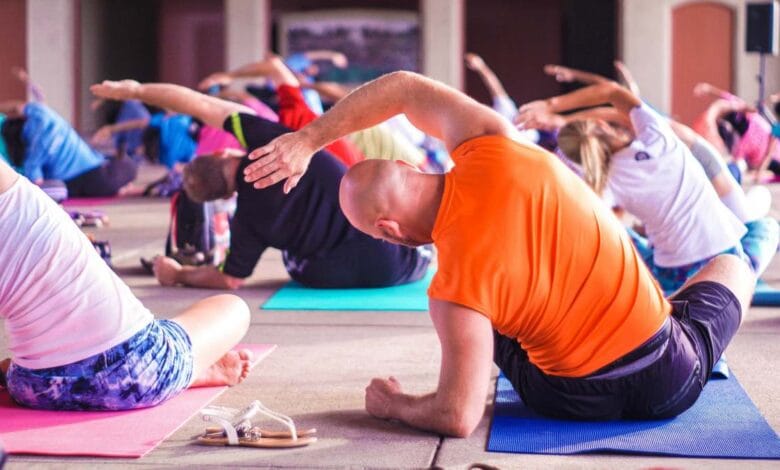
Different forms of exercise were studied. Activities such as walking, running, cycling, swimming, and dancing showed strong results. These are aerobic exercises that increase heart rate and breathing. Supervised exercise and group activities often showed stronger effects. For example, people who joined a class or exercised with others reported better outcomes than those who exercised alone. Social interaction may play a role in this.
Other types of exercise also helped. Strength training, yoga, and tai chi reduced symptoms, though some results were smaller compared to aerobic exercise. For anxiety, shorter and lower intensity programs, often lasting up to eight weeks, showed clear improvements. The benefits were seen across age groups. However, people aged 18 to 30 and women after childbirth showed stronger effects in some studies. This suggests that response to exercise may vary across different groups.
What Happens Inside the Body and Mind
Exercise affects both the body and the brain. During physical activity, the brain releases chemicals such as serotonin and dopamine. These chemicals are linked to mood regulation. Exercise also increases levels of brain derived neurotrophic factor. This supports brain function and helps the brain adapt. At the same time, exercise can reduce inflammation and lower stress responses in the body. Both are linked to depression and anxiety. There are also behavioral effects. Regular activity can improve confidence and create routine. Group exercise can increase social interaction, which may help reduce feelings of isolation.
Challenges and Real Life Use
Starting and maintaining exercise can be difficult. People with depression or anxiety may have low energy or motivation. Access to safe spaces or structured programs can also be limited. The research has some limits. Many studies did not track participants for long periods, so long term effects are not fully clear. Most studies also focused on people without severe medical or psychiatric conditions, so results may not apply to all groups. Despite this, exercise remains a practical option. It is widely available and does not require expensive equipment. It also supports physical health along with mental health.
Exercise as Part of Mental Health Care
Depression and anxiety affect large numbers of people worldwide. In some areas, access to mental health services is limited. Exercise can be included as part of a broader approach to care. Research shows that exercise can reduce symptoms at levels similar to therapy or medication in many cases. For severe conditions, it should be combined with professional treatment. For someone who is anxious & feeling depressed, small steps such as regular walking or playing a sport can lead to gradual improvement. Exercise can be included alongside other treatments as part of mental health care.
FAQs on Can Exercise Reduce Depression and Anxiety
Q: How does exercise help reduce symptoms of depression and anxiety?
A: Exercise affects brain chemicals like serotonin and dopamine, which help regulate mood. It also supports brain function through increased levels of brain derived neurotrophic factor. Along with these biological effects, regular activity can improve confidence and reduce feelings of isolation.
Q: What type of exercise is best for depression and anxiety relief?
A: Aerobic exercises such as walking, running, cycling, and swimming show the strongest results in reducing symptoms. Group or supervised activities often provide added benefits due to social interaction. Other forms like yoga and strength training also help, though effects may vary.
Q: Can exercise replace medication or therapy for mental health treatment?
A: Exercise can reduce symptoms at levels similar to therapy or medication in many cases. However, it should not replace professional treatment, especially for severe conditions. It works best as part of a combined mental health care plan.
Q: How long does it take for exercise to improve anxiety symptoms?
A: Some studies show improvements in anxiety within programs lasting up to eight weeks. Lower intensity and shorter duration routines can still provide noticeable benefits. Consistency plays a key role in seeing results.
Q: Is exercise effective for people with diagnosed depression or only mild symptoms?
A: Exercise has shown benefits for both diagnosed depression and milder symptoms. It can reduce symptom severity across different groups. For more serious conditions, it is most effective when combined with medical or psychological support.
Q: How much exercise is needed each week for mental health benefits?
A: Moderate aerobic activity done several times a week can lead to improvements. Around 150 minutes per week is often suggested, but even smaller amounts can help. Starting with manageable routines is important for long term consistency.
Q: Why do group exercises improve mental health more than solo workouts?
A: Group exercise adds a social element that can reduce feelings of loneliness. It also provides structure and motivation, which can improve adherence. These factors can enhance the overall mental health benefits of physical activity.
Q: Are there any risks of using exercise for depression and anxiety treatment?
A: Exercise is generally safe, but there is a risk of physical strain or injury, especially with intense routines. People with health conditions should choose suitable activities. It is also important to start slowly if motivation or energy levels are low.
Q: Who benefits the most from exercise for mental health?
A: Benefits are seen across all age groups, but some studies show stronger effects in young adults and women after childbirth. Individual response can vary based on lifestyle and health status. Personalizing the type and intensity of exercise can improve outcomes.
External Sources:
- Munro NR, Teague S, Somoray K, Simpson A, Budden T, Jackson B, Rebar A, Dimmock J. Effect of exercise on depression and anxiety symptoms: systematic umbrella review with meta-meta-analysis. British Journal of Sports Medicine. 2026 Feb 10. Doi: 10.1136/bjsports-2025-110301.
- Clegg AJ, Hill JE, Mullin DS, Harris C, Smith CJ, Lightbody CE, Dwan K, Cooney GM, Mead GE, Watkins CL. Exercise for depression. Cochrane Database of Systematic Reviews. 2026(1). Doi: 10.1002/14651858.CD004366.pub7.
Disclaimer:
Some aspects of the webpage preparation workflow may be informed or enhanced through the use of artificial intelligence technologies. While every effort is made to ensure accuracy and clarity, readers are encouraged to consult primary sources for verification. External links are provided for convenience, and Honores does not endorse, control, or assume responsibility for their content or for any outcomes resulting from their use. The author declares no conflicts of interest in relation to the external links included. Neither the author nor the website has received any financial support, sponsorship, or external funding. This content is for informational purposes only and is not medical advice. Please consult a qualified physician before making health decisions. Images are for representational purposes only. Photo by Anupam Mahapatra on Unsplash