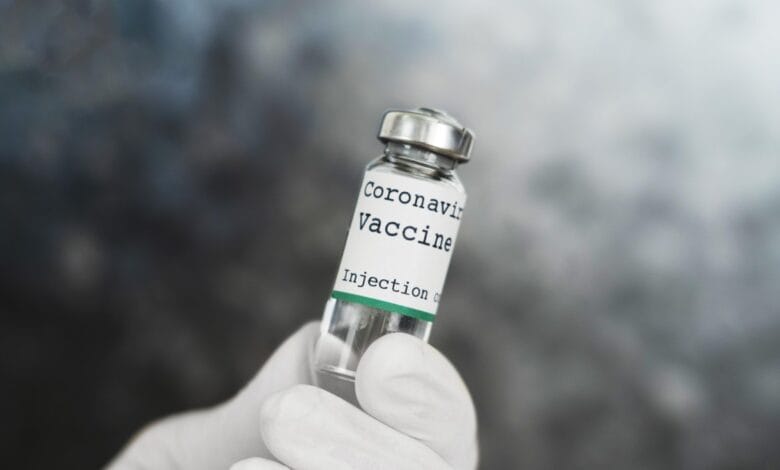
The COVID-19 pandemic turned the world upside down. Schools closed, hospitals filled up, and lives changed overnight. People worried about getting sick, losing jobs, and keeping their families safe. But another fear spread quietly online in the form of rumors. These rumors worried many families and have significantly affected immunization campaigns in the past. Think of the pandemic as a giant puzzle that changed everyone’s life. Some pieces were easy to see; such as people getting sick, hospitals overflowing, and vaccines protecting millions. But other pieces were confusing. One of the biggest questions was whether vaccines could affect fertility, pregnancy and childbirth. Parents, future parents, and even teenagers worried about their ability to start a family.
To answer this question, scientists in Sweden decided to take a close look using an enormous set of real health information from across the country. Sweden keeps detailed medical records for nearly everyone, including information on COVID‑19 vaccinations, childbirths, and miscarriages. The researchers studied data from almost 369,000 women between the ages of 18 and 45, tracking who got vaccinated, when they were vaccinated, and what happened during their pregnancies. Their goal was simple: to find out if the COVID-19 vaccine had any effect on having children or causing miscarriages.
Rather than just comparing who was vaccinated and who was not, scientists looked at when the women got vaccinated and when they became pregnant. They estimated the time of conception by using average pregnancy lengths. This helped them understand pregnancy timing better. Then they compared births and recorded miscarriages between vaccinated and unvaccinated women. This detailing made the study as fair and accurate as possible, even though it was not a controlled experiment like in a lab. In the end, the results were clear and consistent. The scientists found that women who were vaccinated were about as likely to have a baby as women who were not vaccinated. There was also no difference in miscarriage rates between these two groups. This means that the COVID‑19 vaccine did not seem to affect whether a woman could have a baby or whether a pregnancy ended in miscarriage. These results stayed the same even after the researchers tried different ways of measuring pregnancy time.
So if the vaccine did not change birth rates, why did birth numbers change in some countries during the pandemic? Sweden and other places saw people having fewer children during the pandemic years. But experts think this was mostly because of life changes caused by the pandemic. Many people were worried about jobs, health, money, and the future. Some couples chose to wait to start a family, not because of the vaccine but because of uncertain pandemic times. Scientists also know that birth rates in Sweden had been moving up and down for many years before COVID‑19, based on many different social and economic trends. It is important to understand how scientists did this study. They used a long list of health records and careful math so they could compare groups fairly. But even a large worldwide study like this has limits. For example, very early miscarriages might not be included in health records if a woman did not go to the doctor. Also, there could be differences in behavior between vaccinated and unvaccinated women that are hard to measure. These limits do not mean the results are wrong, but they remind us that science is always careful and open to improvement.
Many other studies around the world also support the idea that COVID‑19 vaccines are safe for people who want to have children. Research funded by health organizations in the United States and Canada found that couples trying to get pregnant did not have higher miscarriage rates if they were vaccinated before trying to conceive. Both male and female vaccination status showed no extra risk of miscarriage. These studies looked at couples trying to have babies naturally and shared similar findings about safety.
Scientists have also studied whether infection with COVID‑19 itself might affect fertility. Some research showed that getting COVID‑19 could temporarily reduce fertility, especially in males, while immunity from vaccines did not show such effects. This highlights that being protected by vaccination is helpful in more ways than one. Even though all of these pieces of evidence are reassuring, clear communication remains important. Rumors and online myths can stick around long after real science has answered a question. Some people still worry and believe misinformation. But experts say that broad and careful studies like the Swedish research help build confidence that vaccines do not affect fertility. They also help doctors and health workers guide people with evidence and facts.
Major public health groups worldwide have used scientific evidence to guide their recommendations. Many countries’ health authorities recommend that people who are pregnant or planning to become pregnant get vaccinated, because vaccines reduce the risk of serious illness from COVID‑19. These policies are based not just on the safety of vaccines but also on the dangers of the disease itself. Real world data shows that COVID‑19 infection during pregnancy increases the risk of severe illness and complications for both the parent and the baby, while vaccines reduce that risk. It is also worth noting that every scientific study adds to what we know, but no single study is the final answer. The Swedish study adds a very large piece to the worldwide puzzle of COVID‑19 research. When many studies across different countries and methods find the same result, scientists can be more confident in the findings. Researchers will continue to watch long‑term trends and data, especially as vaccines evolve and new health questions arise.
In simple terms, the story from Sweden is a hopeful one. Nearly 369,000 women were studied, and scientists did not find that COVID‑19 vaccines made it harder to have a baby or caused more miscarriages. This adds to a growing body of research that supports the safety of vaccines for people of reproductive age. While life decisions involve many personal and social factors, the best evidence so far shows that the vaccines themselves are not a reason to worry about fertility. Overall, when doctors, scientists, and health experts look at big sets of data, they find the same reassuring message. COVID‑19 vaccines do not reduce fertility, and they do not increase miscarriage risk. Many studies have shown this around the world. This means people can use this evidence to make informed choices about their health and future with confidence.
FAQs related to COVID-19 vaccine
Q: Does the COVID-19 vaccine cause infertility in women?
A: No, large studies from Sweden and other countries show that COVID-19 vaccines do not affect a woman’s ability to have children. Women who received the vaccine were just as likely to become pregnant as those who did not.
Q: Can COVID-19 vaccination increase miscarriage risk?
A: Research including tens of thousands of pregnancies found no connection between COVID-19 vaccination and higher miscarriage rates. Vaccinated women had similar pregnancy outcomes to unvaccinated women.
Q: Does the timing of the vaccine affect pregnancy outcomes?
A: Scientists studied when women received the vaccine during pregnancy and found no negative impact on childbirth or miscarriage. Timing of vaccination did not change fertility or pregnancy success.
Q: How many women were studied to check vaccine safety for pregnancy?
A: Swedish researchers studied nearly 369,000 women aged 18 to 45, making it one of the largest population-based analyses on this topic. This large sample provides strong evidence about vaccine safety for reproductive-age women.
Q: Could COVID-19 infection itself affect fertility?
A: Some studies suggest that COVID-19 infection may temporarily affect fertility in men and women. But the vaccination does not affect fertility and helps protect against these risk of temporary infertility.
Q: If COVID-19 vaccines are safe for pregnancy, what caused the drop in birth rates during the pandemic?
A: Declines in birth rates were mostly due to social and economic changes, such as delayed family planning or financial uncertainty during difficult pandemic times. The COVID-19 vaccine itself was not a cause of lower fertility.
Q: Do COVID-19 vaccines affect male fertility?
A: Current research shows that COVID-19 vaccines do not harm sperm quality or male fertility. Men who received the vaccine had no measurable change in reproductive health.
Q: Where can I find reliable information about vaccines and fertility?
A: Trusted sources include national health authorities, peer-reviewed studies, and large-scale population research such as the Swedish cohort study. These sources provide evidence-based guidance rather than rumors or social media claims.
External Sources
- Nordvall D, Schön T, Hinkula J, Eriksson O, Spreco A, Dahlström Ö, Lyth J, Axelsson D, Gursky E, Blomberg M, Timpka T. COVID-19 vaccination carries no association with childbirth rates in Sweden. Communications Medicine. 2026. doi:10.1038/s43856-026-01396-x.
- Centers for Disease Control and Prevention. COVID-19 Vaccination Considerations for People Who Are Pregnant or Breastfeeding. Available from: https://www.cdc.gov/covid/vaccines/pregnant-or-breastfeeding.html
- American College of Obstetricians and Gynecologists. COVID-19 Vaccination Considerations for Obstetric Gynecologic Care. Available from: https://www.acog.org/clinical/clinical-guidance/practice-advisory/articles/2020/12/covid-19-vaccination-considerations-for-obstetric-gynecologic-care
Disclaimer:
Some aspects of the webpage preparation workflow may be informed or enhanced through the use of artificial intelligence technologies. While every effort is made to ensure accuracy and clarity, readers are encouraged to consult primary sources for verification. External links are provided for convenience, and Honores is not responsible for their content or any consequences arising from their use. The author declares no conflicts of interest in relation to the external links included. Neither the author nor the website has received any financial support, sponsorship, or external funding. Image by freepik