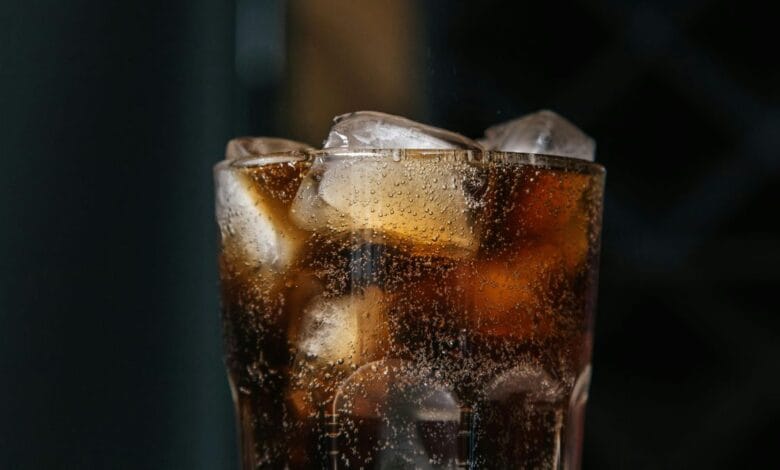
Anxiety is becoming more common among teenagers all around the world. Doctors, teachers, and public health experts are paying close attention because more young people are reporting feelings of worry, fear, and stress. Recent surveys suggest that about one in five adolescents experienced anxiety symptoms in 2023. This growing concern has led researchers to study daily habits that may be connected to teen anxiety. One such habit that stood out is the frequent consumption of sugar sweetened beverages. These include soft drinks, sodas, and other drinks with added sugar. Teenagers are among the biggest consumers of these beverages in many countries. Because of this, researchers decided to study whether there is a connection between drinking sugary beverages and anxiety symptoms in adolescents.
To explore further, the research team conducted a systematic review and meta analysis. They carefully collected and analyzed results from multiple earlier studies instead of running a single experiment. In total, more than nine studies met the requirements to be included. These studies were conducted in different parts of the world and used both cross sectional and longitudinal research designs. The studies focused on adolescents between the ages of about twelve and eighteen. In each study, teenagers reported how often they drank sugar sweetened beverages. They also completed mental health screening tools that measured anxiety symptoms. Some studies included hundreds of participants, while others included thousands. By combining results from all of these studies, the researchers looked for patterns that appeared consistently across different groups and locations.
When the data were combined, a clear pattern appeared. Adolescents who reported drinking more sugar sweetened beverages were more likely to report anxiety symptoms. In statistical terms, higher intake of these drinks was associated with about a thirty four percent higher chance of anxiety disorders compared to lower intake. This result remained after researchers adjusted for factors such as age, gender, and certain lifestyle behaviors. The size of this association was described as small to moderate. However, the researchers were careful to explain what this finding does and does not mean. Most of the studies included in the analysis were cross sectional. This type of study captures information at a single point in time. Because of this, it cannot show which came first. It is not possible to tell whether drinking sugary beverages led to anxiety, or whether anxious teens were more likely to choose sugary drinks, or whether both were influenced by other factors.
Scientists have suggested several possible biological explanations for the observed association, but these remain hypotheses rather than proven facts. One idea focuses on blood sugar levels. Sugar sweetened beverages can cause blood sugar and insulin levels to rise quickly and then fall. Some researchers believe these rapid changes might affect brain systems involved in mood and stress. Other researchers are studying inflammation and metabolism. High sugar intake has been linked to metabolic changes that may influence inflammation in the body. Some studies are also examining communication between the gut and the brain. These areas are still under investigation, and there is currently no experimental evidence proving that these processes cause anxiety in adolescents.
Another important factor is overall diet quality. Soft drinks are often used in research as a marker of diets high in refined carbohydrates and low in nutrients. This makes it difficult to isolate the effects of sugary beverages alone. Many teens who drink large amounts of soft drinks may also have other dietary patterns that affect health. The researchers attempted to account for some lifestyle factors. Many studies adjusted their results for physical activity and body mass index. However, other influences were not always measured. These include sleep quality, family environment, and exposure to stress. These unmeasured factors could affect both beverage consumption and anxiety symptoms.
From a global perspective, anxiety disorders among adolescents have increased over recent decades. This has encouraged researchers to look at multiple environmental and lifestyle contributors. Sugar sweetened beverages are widely available and heavily consumed, especially by teens. Population surveys also show that teens who drink more soft drinks are more likely to report sedentary behavior and poor sleep. Both of these behaviors are independently linked to anxiety and mood problems. Current health guidelines for adolescents focus mainly on physical health. They recommend balanced diets with plenty of whole foods and limited added sugars to support heart and metabolic health. Mental health outcomes are not yet a central focus of dietary guidelines. This reflects the current limits of scientific evidence in this area.
The findings from this research synthesis show consistent associations between sugary beverage intake and anxiety symptoms across observational studies. At the same time, the researchers clearly state that these results do not prove cause and effect. Reverse causality and unmeasured confounding factors cannot be ruled out. Because of these limitations, the researchers emphasize the need for future studies. Long term research that follows adolescents over several years could help clarify whether changes in beverage intake are followed by changes in anxiety symptoms. Intervention studies that actively reduce sugar sweetened beverage consumption could also help determine whether such changes have measurable effects on mental health.
In summary, the current evidence shows a repeated association between higher intake of sugar sweetened beverages and anxiety symptoms in adolescents. This association is consistent but modest, and it does not prove that sugary drinks cause anxiety. Anxiety in young people is complex and influenced by many factors, including lifestyle, environment, and emotional development. More research is needed to understand how diet fits into this larger picture.
FAQs
Q: Is there a link between sugary drinks and anxiety in teenagers?
A: Studies show a statistical association between higher intake of sugar sweetened beverages and increased anxiety symptoms in adolescents. This means teens who drink more sugary beverages tend to report more anxiety, but the research does not prove cause and effect.
Q: How common is anxiety among adolescents today?
A: Anxiety is one of the most common mental health concerns among teenagers worldwide. Population surveys estimate that about one in five adolescents experienced anxiety symptoms in 2023.
Q: Do soft drinks cause anxiety in teens?
A: Current research does not show that soft drinks directly cause anxiety. Most studies are observational, which means they can identify patterns but cannot determine whether sugary drinks lead to anxiety or the other way around.
Q: What types of drinks are considered sugar sweetened beverages?
A: Sugar sweetened beverages include soft drinks, sodas, and other drinks with added sugars. These beverages are widely consumed by adolescents in many countries.
Q: How strong is the evidence linking sugary drinks to teen anxiety?
A: The evidence shows a consistent but modest association across multiple studies. However, limitations such as cross sectional study designs and self reported data prevent strong conclusions about causality.
Q: Why is it hard to prove sugary drinks cause anxiety?
A: Many studies measure diet and anxiety at the same time, making it unclear which comes first. Other factors like sleep, stress, and family environment may influence both beverage choices and anxiety symptoms.
Q: Are there biological explanations for a possible connection between sugar and anxiety?
A: Researchers have proposed ideas involving blood sugar changes, inflammation, and gut brain communication. These mechanisms are still theoretical and have not been proven in controlled studies involving adolescents.
Q: Should teenagers stop drinking soft drinks to protect mental health?
A: The current evidence does not support specific dietary rules for preventing anxiety. Health guidelines still recommend limiting added sugar mainly for physical health, while mental health should be supported through multiple lifestyle factors.
External Sources:
- Khaled K, Abdulbaki N, Almilaji O, Casey C, Tsofliou F. Sugar‐Sweetened Beverage Consumption and Anxiety Disorders in Adolescents: A Systematic Review and Meta‐Analysis. Journal of Human Nutrition and Dietetics. 2026 Feb;39(1):e70217. Doi: 10.1111/jhn.70217.
- Zhang X, Huang X, Xiao Y, Jing D, Huang Y, Chen L, Luo D, Chen X, Shen M. Daily intake of soft drinks is associated with symptoms of anxiety and depression in Chinese adolescents. Public Health Nutrition. 2019 Oct;22(14):2553-60. Doi: 10.1017/S1368980019001009.
Disclaimer:
Some aspects of the webpage preparation workflow may be informed or enhanced through the use of artificial intelligence technologies. While every effort is made to ensure accuracy and clarity, readers are encouraged to consult primary sources for verification. External links are provided for convenience, and Honores is not responsible for their content or any consequences arising from their use. The author declares no conflicts of interest in relation to the external links included. Neither the author nor the website has received any financial support, sponsorship, or external funding. Photo by Ron Lach.