Key Takeaways
- Predatory journals can damage a researcher’s academic reputation and credibility.
- Publishing in unreliable journals can reduce research visibility, citations, and impact.
- Questionable publications may affect hiring, promotions, grants, and academic evaluations.
- Verifying journal credibility before submission helps protect valuable research work.
A research paper represents months or years of work. Researchers spend significant time designing studies, collecting data, analyzing results, and revising manuscripts before submission. After completing the research, one decision remains: selecting a journal for publication. A journal invitation offering fast publication and international visibility may appear attractive, especially for researchers under pressure to publish. However, choosing the wrong journal can affect how the research is evaluated, discovered, and recognized within the scientific community. Scientific publishing depends on reliable editorial practices. Researchers expect journals to provide transparent review processes and maintain accurate records of published work. Peer review is the process where independent experts evaluate a manuscript before publication to assess the quality of the methods, analysis, and conclusions.
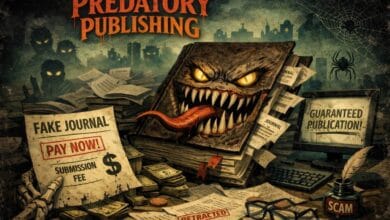
A predatory journal is a publication that prioritizes collecting publication fees while failing to provide proper editorial oversight and meaningful peer review. Grudniewicz and colleagues described predatory journals as entities that place self interest above scholarship and are associated with misleading information, poor editorial practices, lack of transparency, and aggressive solicitation of authors. Predatory journals often target early career researchers who need publications for academic progress. Some use professional websites, misleading indexing claims, and journal names that resemble established publications. Researchers who publish in these journals may later face challenges related to academic reputation, research visibility, and career opportunities.
How Can Predatory Journals Damage Your Academic Reputation?
A researcher’s publication record influences how universities, funding agencies, employers, and collaborators evaluate their work. The journal where a paper is published is often considered alongside the research itself. When a paper appears in a predatory journal, readers may question the reliability of the publication process. This does not mean that the research findings are automatically invalid. Many researchers submit manuscripts to predatory journals because they are misled by inaccurate information, professional-looking websites, or aggressive publication invitations. However, the journal’s reputation can affect how others interpret the work.
Academic evaluation increasingly considers publication quality rather than publication numbers alone. During hiring, promotions, doctoral evaluations, and grant reviews, institutions may examine whether journals follow recognized publishing standards. Articles published in questionable journals may receive limited recognition during these evaluations. Some universities may not accept publications from journals that do not meet their requirements for indexing, editorial quality, or research integrity. Researchers may discover these issues only after publication.
False indexing claims are another concern. Some predatory journals state that they are included in databases such as Scopus or Web of Science without valid verification. Indexing does not guarantee research quality, but recognized databases are often used as one indicator when institutions assess journal credibility. Publishing in predatory journals may also result in closer review of a researcher’s publication record. Research integrity committees may examine questionable publications during institutional assessments, particularly when multiple papers appear in journals with poor publishing practices.
Why Can Predatory Journals Reduce the Impact of Your Research?
A published paper contributes to science when other researchers can find, read, evaluate, and use the findings. Research visibility affects whether a study becomes part of future scientific discussions. Reputable journals usually maintain systems that improve article discoverability, including indexing, digital archiving, and transparent publication records. These practices help researchers locate studies through academic databases and ensure that published work remains accessible.
Many predatory journals do not provide the same level of publishing infrastructure or transparency. Articles published in these journals may receive less attention because they are harder to find or because researchers may question the reliability of the journal’s review process. Reduced visibility can affect citations. Researchers often avoid citing papers from journals with questionable editorial practices because they may have concerns about the quality control behind the publication. As a result, even useful research may receive limited recognition. Publication also creates a permanent connection between a researcher and a journal. If a journal is later associated with fake peer review, misleading editorial information, fabricated metrics, or other unethical practices, that association can affect how the author’s publication record is viewed.
Financial loss is another possible consequence. Legitimate open access journals may charge Article Processing Charges (APCs) to cover publishing services. The concern with predatory journals is not the existence of publication fees, but charging fees without providing proper editorial review, transparency, or publishing support. Some predatory publishers introduce additional charges, make manuscript withdrawal difficult, or provide limited communication after receiving payment. Researchers may spend valuable funds without receiving the publishing services expected from a legitimate journal.
How Can Predatory Journals Affect Future Research Opportunities?
Publishing in a predatory journal can affect future publication and career opportunities. Most reputable journals do not accept research that has already been published elsewhere. Once a paper appears in a predatory journal, researchers usually cannot submit the same study to another journal with stronger editorial standards. Important findings may remain associated with a publication that has limited visibility and credibility. Predatory journals can also create copyright and manuscript control problems. Legitimate publishers usually provide clear policies about copyright ownership, licensing, corrections, and article withdrawal. Some predatory publishers provide unclear information or fail to respond when authors request changes or removal.
These problems can make it difficult for researchers to manage how their work is distributed, corrected, or archived. Scientific research depends on trust between researchers, institutions, and the wider academic community. Publication records influence collaboration decisions, funding reviews, and professional relationships. A record containing multiple publications in questionable journals may raise concerns about a researcher’s journal selection practices.
Not every researcher who publishes in a predatory journal does so intentionally. Misleading websites, false claims, and aggressive invitations can make these journals difficult to identify. However, the effects of publishing in such journals can remain part of a researcher’s academic record for years. A research paper reflects substantial scientific effort. Selecting a trustworthy journal helps protect the credibility of the work, improves its chances of being discovered, and supports its contribution to the scientific community.
Frequently Asked Questions About Predatory Journals
Q: What is a predatory journal in academic publishing?
A: A predatory journal is a publication that prioritizes financial gain over proper scholarly publishing practices. These journals often fail to provide meaningful peer review, maintain transparency, or follow accepted editorial standards. They may use misleading claims about indexing, editorial boards, or publication quality to attract researchers.
Q: How can publishing in a predatory journal damage a researcher’s career?
A: Publishing in a predatory journal can affect how universities, funding agencies, and collaborators evaluate a researcher’s publication record. Even if the research itself is valid, the journal’s poor reputation may reduce recognition, limit academic opportunities, and create questions about publication choices during hiring, promotion, or grant reviews.
Q: How can I identify whether a journal is predatory before submitting my paper?
A: Researchers can evaluate a journal by checking its peer review process, editorial board members, publisher information, indexing claims, publication policies, and transparency about fees. Tools such as Think. Check. Submit. and guidance from organizations like COPE can help researchers assess whether a journal follows responsible publishing practices.



Q: Are all journals that charge publication fees considered predatory?
A: No. Many legitimate open access journals charge Article Processing Charges (APCs) to cover editorial management, peer review systems, production, and digital preservation. A journal becomes concerning when it charges fees without providing transparent policies, proper peer review, or reliable publishing services.
Q: Why do researchers publish in predatory journals?
A: Many researchers, especially PhD students and early career academics, face pressure to publish quickly for academic requirements, career advancement, or funding applications. Predatory journals often exploit this pressure by offering rapid publication, aggressive email invitations, and promises of international visibility.
Q: Can a paper published in a predatory journal be submitted to a legitimate journal later?
A: In most cases, no. Reputable journals usually do not accept manuscripts that have already been published elsewhere. Once research appears in a predatory journal, authors may lose the opportunity to publish the same work in a more recognized journal.
Q: Do predatory journals affect research visibility and citations?
A: Yes. Research published in predatory journals may receive fewer citations because these articles can have limited discoverability and may not be trusted by other researchers. Poor indexing, weak archiving practices, and concerns about editorial quality can reduce the scientific reach of the work.
Q: What is the difference between a predatory journal and a legitimate open access journal?
A: Legitimate open access journals may charge publication fees while maintaining proper peer review, transparent editorial policies, and recognized publishing standards. Predatory journals typically focus on collecting fees while providing limited editorial oversight and misleading information about their services.
Q: Can publishing in a predatory journal affect university promotions or research grants?
A: Yes, publications in questionable journals may receive limited recognition during promotion reviews, doctoral evaluations, or grant assessments. Many institutions examine journal credibility, indexing status, and publishing practices when evaluating research outputs.
Q: What should researchers check before submitting a paper to a journal?
A: Researchers should verify the journal’s editorial board, peer review process, indexing claims, publisher reputation, publication fees, copyright policies, and contact information before submission. Checking these details before publication can help protect the value and credibility of years of research work.
References
- Committee on Publication Ethics (COPE). Core Practices. https://publicationethics.org/core-practices
- Grudniewicz A, Moher D, Cobey KD, et al. Predatory journals: No definition, no defence. Nature. 2019;576:210–212.
- International Committee of Medical Journal Editors (ICMJE). Recommendations for the Conduct, Reporting, Editing, and Publication of Scholarly Work in Medical Journals. https://www.icmje.org/recommendations/
- Think. Check. Submit. Choose the right journal for your research. https://thinkchecksubmit.org/
- Scopus. Content Policy and Selection. https://www.scopus.com/sources
- Web of Science. Editorial Selection Process. https://clarivate.com/academia-government/scientific-and-academic-research/research-discovery-and-referencing/web-of-science/web-of-science-core-collection/editorial-selection-process/
Disclaimer:
Some aspects of the webpage preparation workflow may be informed or enhanced through the use of artificial intelligence technologies. While every effort is made to ensure accuracy and clarity, readers are encouraged to consult primary sources for verification. External links are provided for convenience, and Honores does not endorse, control, or assume responsibility for their content or for any outcomes resulting from their use. The author declares no conflicts of interest in relation to the external links included. Neither the author nor the website has received any financial support, sponsorship, or external funding. This content is for informational purposes only and is not medical advice. Please consult a qualified physician before making health decisions. Images are for representational purposes only. Image by magnific
This article is intended for educational purposes and aims to help researchers understand the risks associated with predatory journals. Journal evaluation should be based on multiple factors, including editorial practices, transparency, indexing status, and institutional guidelines.