Imagine a couple planning for a baby, carefully thinking about diet, doctor visits, and a safe home during pregnancy. But what if the story begins earlier than they expect? Even before a baby takes its first breath, or before pregnancy is confirmed, some influences may already be quietly shaping outcomes. Researchers are now paying attention to this early stage, called the preconception period, to understand if exposure to environmental factors during this time can affect a baby’s health.
A large study from Arizona looked at how pesticide exposure before and during pregnancy might influence a baby’s condition at birth. The findings suggest that certain exposures are linked to lower Apgar scores. These scores are measured five minutes after birth and assess a baby’s breathing, heart rate, and overall health. The key point is that timing may matter more than previously thought, as the period before pregnancy could also be important.
What the Arizona Study Found
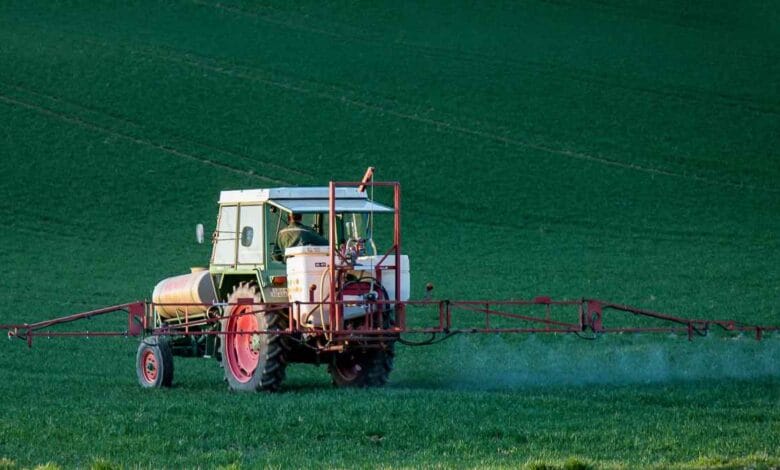
This research is part of the Arizona Pregnant Women’s Environmental and Reproductive Outcomes Study. It used data collected between 2006 and 2020. Researchers combined pesticide use records with birth certificate data to examine possible links between environmental exposure and newborn health. Exposure was defined based on location. Mothers who lived within 500 meters of agricultural pesticide applications were considered exposed. This was measured during pregnancy and also during the 90 days before conception.
The study focused on Apgar scores taken five minutes after birth. These scores were grouped into two categories: less than 8 and 8 or higher. Statistical models were used to examine whether exposure was linked to a higher chance of a lower score. Results showed that exposure to certain pesticide classes was associated with increased odds of lower Apgar scores. These included carbamates such as carbaryl, organophosphates such as diazinon, and pyrethroids such as cypermethrin. Some compounds, including formetanate hydrochloride, showed stronger associations, although estimates varied.
The study adjusted for general maternal and newborn demographic factors. However, it did not establish that pesticides caused the outcomes. The findings show associations only.
Why the Preconception Period Matters
The study did not limit exposure to pregnancy. It also examined the preconception period, defined as the 90 days before conception. Associations with lower Apgar scores were observed during this period as well. This suggests that biological processes before pregnancy may be sensitive to environmental factors. These processes include early reproductive development. The study does not explain the exact mechanisms involved.
There is general scientific understanding that pesticides can affect biological systems. Some of these systems are shared across species, including humans. This provides a possible explanation for why exposure could have effects beyond the intended targets. However, the study does not provide direct evidence of how these effects occur in humans.
What This Means for Families and Health Care
The findings indicate that environmental exposure history may be relevant in discussions about pregnancy and newborn health, especially in areas near agricultural activity. Healthcare providers may consider asking about possible exposure to pesticides as part of routine care. The study also outlines general steps that may reduce exposure in residential settings. These include keeping living spaces clean, using doormats to reduce dirt entering the home, avoiding wearing shoes indoors, using air filters, and considering water filtration for households that rely on well water. These measures are general precautions, and the study does not measure their direct effect on birth outcomes.
Understanding the Limits of the Study
The study has several limitations. It is observational, so it cannot establish cause and effect. Other factors not included in the analysis may influence the results. Exposure was estimated based on distance from pesticide applications, which does not measure individual exposure levels. People living in the same area may still have different levels of exposure. The study uses Apgar scores as the main outcome. These scores reflect a newborn’s condition shortly after birth but do not capture long term development. The researchers note that future work may examine longer term outcomes, including neurodevelopment, using additional data sources.
A Growing Area of Research
This study adds to ongoing research on how environmental exposure relates to health outcomes. It highlights the importance of timing, including the period before pregnancy. The findings suggest that preconception exposure may be relevant in assessing risk. However, further research is needed to clarify mechanisms and confirm these associations. The evidence remains limited to observed links. More detailed studies may help determine whether these findings extend to long term health outcomes.
FAQs on Pesticide Exposure Before Pregnancy and Newborn Health Risks
Q: Can pesticide exposure before pregnancy affect a baby’s health?
A: Research suggests that exposure to certain pesticides before pregnancy may be linked to lower Apgar scores in newborns. This means a baby’s health right after birth could be influenced by environmental factors even before conception. However, the findings show associations, not direct cause.
Q: What is the preconception period and why is it important for pregnancy?
A: The preconception period refers to the 90 days before pregnancy begins. During this time, important biological processes take place that prepare the body for pregnancy. Studies suggest this stage may be sensitive to environmental exposures that could affect newborn outcomes.
Q: How do pesticides impact Apgar scores in newborns?
A: Certain pesticide exposures have been associated with an increased chance of lower Apgar scores. These scores measure a baby’s breathing, heart rate, and overall condition shortly after birth. The exact biological process behind this link is not clearly understood.
Q: Are all pesticides equally harmful during preconception or pregnancy?
A: No, the research shows that some pesticide types are more strongly associated with lower Apgar scores than others. Classes such as carbamates, organophosphates, and pyrethroids were specifically highlighted. This suggests that risk may vary depending on the chemical.

Q: How is pesticide exposure measured in studies like this?
A: Exposure is often estimated based on how close someone lives to areas where pesticides are applied. In this study, living within 500 meters of agricultural spraying was used as a measure. This method does not directly measure individual exposure levels.
Q: Can this study prove that pesticides cause poor newborn health outcomes?
A: No, the study is observational and cannot prove cause and effect. It identifies patterns and associations between exposure and outcomes. Other factors may also influence the results.
Q: What are simple ways to reduce pesticide exposure at home?
A: Basic steps include keeping living areas clean, using doormats, avoiding wearing shoes indoors, and using air filters. For homes using well water, filtration systems may help reduce contamination. These are general precautions, not guaranteed solutions.
Q: Why are Apgar scores used to measure newborn health in research?
A: Apgar scores provide a quick and widely accepted way to assess a baby’s condition right after birth. They are easy to record and useful for comparing outcomes across large populations. However, they only reflect short-term health and not long-term development.
Q: Who should be most concerned about pesticide exposure before pregnancy?
A: People living near agricultural areas or regions with regular pesticide use may have higher exposure risk. Those planning a pregnancy in such areas may want to be more aware of environmental factors. Discussing exposure concerns with healthcare providers can be helpful.
External Sources:
- Yang AR, Parra KL, Paul KC, Bedrick EJ, Ritz B, Beamer PI, Furlong MA. Residential proximity to agricultural pesticide exposures during preconception and pregnancy and associations with Apgar scores in the Az-PEAR study (2006–2020). Journal of Exposure Science & Environmental Epidemiology. 2026 Mar 13:1-0. Doi: 10.1038/s41370-026-00849-8.
- Conejo-Bolaños LD, Mora AM, Hernández-Bonilla D, Cano JC, Menezes-Filho JA, Eskenazi B, Lindh CH, de Joode BV. Prenatal current-use pesticide exposure and children’s neurodevelopment at one year of age in the Infants’ Environmental Health (ISA) birth cohort, Costa Rica. Environmental research. 2024 May 15;249:118222. Doi: 10.1016/j.envres.2024.118222.
- Newsroom, University of California, Los Angeles. Can pesticide exposure before pregnancy affect babies’ health? March 23, 2026. Available from: https://newsroom.ucla.edu/releases/can-pesticide-exposure-before-pregnancy-affect-babies-health
- News, The University of Arizona. New U of A study expands pesticide risk window to before pregnancy. March 13, 2026. Available from: https://news.arizona.edu/news/new-u-study-expands-pesticide-risk-window-pregnancy
Disclaimer:
Some aspects of the webpage preparation workflow may be informed or enhanced through the use of artificial intelligence technologies. While every effort is made to ensure accuracy and clarity, readers are encouraged to consult primary sources for verification. External links are provided for convenience, and Honores does not endorse, control, or assume responsibility for their content or for any outcomes resulting from their use. The author declares no conflicts of interest in relation to the external links included. Neither the author nor the website has received any financial support, sponsorship, or external funding. This content is for informational purposes only and is not medical advice. Please consult a qualified physician before making health decisions. Images are for representational purposes only. Image by Th G from Pixabay.