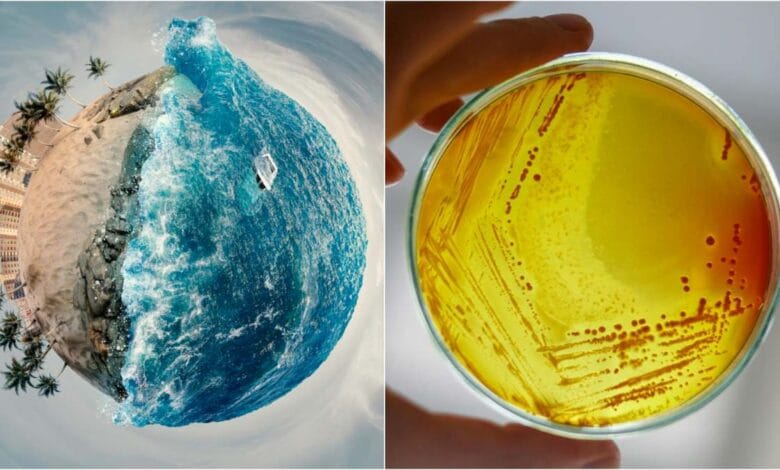
Climate change refers to long-term shifts in temperature, weather patterns, and global climate systems caused by natural processes and human activities such as greenhouse gas emissions. These changes can lead to more extreme weather events, rising sea levels, and disruptions to ecosystems. Climate change affects many parts of the world and human health in ways that are not always obvious. Scientists are studying the link between climate change and antibiotic resistance. Antibiotic resistance occurs when bacteria no longer respond to drugs designed to kill them. This makes infections harder to treat and can lead to serious illness or death. Recent research in the Western Pacific suggests that rising temperatures and extreme weather events may contribute to increasing antibiotic resistance.
Antibiotics treat bacterial infections in humans and animals. When bacteria become resistant, these medicines do not work as intended. Resistance has been increasing for decades and is now a major public health concern. Researchers want to know if changes in climate make resistance worse and, if so, how. A report in The Lancet Regional Health for the Western Pacific combined multiple types of research to explore this question. First, it reviewed existing knowledge about antibiotic resistance and possible climate-related mechanisms. Second, it analyzed 18 studies using real data to identify patterns. Third, it used long-term data from the Global Research on Antimicrobial Resistance (GRAM) project to examine how temperature changes relate to deaths caused by antibiotic-resistant infections.
The report found that temperature is an important factor. Higher average temperatures allow bacteria to grow faster. Warmer conditions also increase the rate of genetic changes that spread resistance between bacteria. These changes may be more common in soil and water that are warmer and wetter, increasing the chance that humans and animals are exposed to resistant bacteria. The study found that a 1-degree Celsius rise in temperature was linked to higher death rates from infections caused by carbapenem-resistant Acinetobacter baumannii and Pseudomonas aeruginosa. These bacteria resist many antibiotics and are difficult to treat.
Extreme weather events also affect antibiotic resistance. Flooding can damage water and sanitation systems, increasing infections and leading to inappropriate antibiotic use. Heat waves can strain healthcare services, affecting infection prevention and control. These events can allow resistant bacteria to spread more easily. Socioeconomic factors influence these effects. Countries with weaker healthcare systems or limited resources may see greater impacts from climate-related increases in resistance. Differences in healthcare access, governance, and population density affect how climate interacts with resistance trends.
While these studies show a link between climate and antibiotic resistance, climate change alone does not cause resistance. Misuse and overuse of antibiotics remain the primary causes. Climate factors may accelerate the spread of resistant bacteria and affect health systems during extreme events, acting as amplifiers rather than primary drivers. Current research has limits. Most studies use population-level data rather than individual-level exposures. Climate factors like rainfall and humidity have complex effects depending on the bacteria. Long-term data may not fully capture rapid climate changes, and other factors, such as antibiotic use and urbanization, complicate causal interpretation.
The Western Pacific region illustrates these dynamics. It has a wide range of climates and healthcare conditions, and frequent extreme weather. WHO estimates predict millions of antimicrobial resistance-related deaths by 2030 in this region. Experts recommend integrating climate considerations into antibiotic resistance strategies without replacing standard stewardship practices. Health systems need to prepare for potential spikes in resistance during extreme weather and monitor environmental reservoirs of resistant bacteria. Coordinated efforts across healthcare, agriculture, and environmental sectors can improve preparedness.
Public health agencies emphasize reducing inappropriate antibiotic use, improving infection prevention, and investing in diagnostics and new treatments. Climate interactions show how environmental and health challenges are connected and require coordinated responses. In summary, climate change can create conditions that allow antibiotic-resistant bacteria to grow and spread. Rising temperatures and extreme weather affect bacterial behavior and healthcare response. Climate factors amplify resistance but do not replace antibiotic misuse as the main cause. Understanding this link can guide strategies to protect public health.
FAQs n Climate Change causing Antibiotic Resistance
Q: Can climate change increase antibiotic resistance?
A: Yes. Studies show that higher temperatures and extreme weather events can create conditions that allow bacteria to grow faster and spread antibiotic resistance more easily. However, misuse and overuse of antibiotics remain the main drivers of resistance.
Q: How does rising temperature affect bacteria?
A: Warmer temperatures accelerate bacterial growth and reproduction. They also increase horizontal gene transfer, which allows bacteria to share resistance traits more quickly, increasing environmental reservoirs of resistant bacteria in water and soil.
Q: What role do extreme weather events play in antibiotic resistance?
A: Floods and heat waves can damage sanitation systems and healthcare infrastructure. This increases infections and leads to more antibiotic use, which may promote the spread of resistant bacteria.
Q: Why is the Western Pacific region studied for climate-related resistance?
A: The Western Pacific has diverse climates, dense populations, and varied healthcare systems. Frequent extreme weather events in this region create conditions where climate effects on antibiotic resistance can be observed clearly.
Q: Does climate change directly cause antibiotic resistance?
A: No. Climate change does not directly create resistance. It acts as an amplifier by creating conditions favorable for resistant bacteria, while antibiotic misuse and overuse remain the primary causes.
Q: What are the main causes of antibiotic resistance?
A: The main causes include overuse and misuse of antibiotics in humans and animals, poor infection control, and inadequate sanitation. Climate factors may accelerate resistance but do not replace these primary drivers.
Q: How does antibiotic resistance affect human health?
A: Antibiotic resistance makes infections harder to treat, leading to longer illnesses, higher medical costs, and increased risk of death. Resistant bacteria can spread in communities and healthcare settings, posing a major public health challenge.




Q: Why is integrating climate considerations important for antibiotic resistance strategies?
A: Including climate factors helps anticipate conditions that may increase resistance, especially during heat waves or floods. This allows public health strategies to be more proactive while maintaining core antibiotic stewardship and infection prevention efforts.
External Source:
- Yang L, Ma Z, Meng F, Wang R, Chen S, Liu C, Ho HC, Xu M, Chua AQ, Hsu LY, Jia Y. Climate change and antimicrobial resistance in the Western Pacific: a mixed-methods systematic analysis. The Lancet Regional Health–Western Pacific. 2026 Feb 1;67. Doi: 10.1016/j.lanwpc.2025.101772.
- World Health Organization. Antimicrobial resistance expected to cause 5.2 million deaths in the Western Pacific by 2030. World Health Organization: News release. 2023. Available from: https://www.who.int/westernpacific/news/item/13-06-2023-antimicrobial-resistance-expected-to-cause-5.2-million-deaths-in-the-Western-Pacific-by-2030
Disclaimer:
Some aspects of the webpage preparation workflow may be informed or enhanced through the use of artificial intelligence technologies. While every effort is made to ensure accuracy and clarity, readers are encouraged to consult primary sources for verification. External links are provided for convenience, and Honores does not endorse, control, or assume responsibility for their content or for any outcomes resulting from their use. The author declares no conflicts of interest in relation to the external links included. Neither the author nor the website has received any financial support, sponsorship, or external funding. Left Image by freepik & Right image by Katarzyna Modrzejewska.