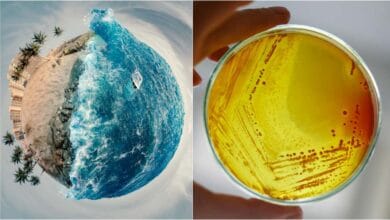
Picture a scenario where contamination in rivers, industrial discharge, or even the air around us could be detected almost instantly, alerting authorities before harm occurs. Thanks to nanoscale environmental sensors, this scenario is fast becoming reality. By marrying cutting-edge nanomaterials with biological and chemical detection systems, these sensors deliver highly sensitive, real-time monitoring across diverse ecosystems.
Traditional environmental monitoring, often reliant on central laboratories, can take days or weeks—time that communities and ecosystems cannot afford. In contrast, nanoscale sensors offer immediate detection, enabling proactive decisions that protect both public health and the environment.
From bioengineered microbes that translate toxins into electrical signals, to graphene-based and nanoporous materials finely tuned to capture specific molecules, these sensors promise a new era of rapid, multi-target, and portable environmental surveillance. Early evidence suggests a significant potential to redefine pollution monitoring, empowering researchers, regulators, and even citizens.
Nanoscale environmental sensors could transform pollution monitoring from a reactive practice into a proactive, real-time safeguard for our ecosystems and communities.
How Nanoscale Sensors Detect Environmental Toxins
At the frontier of technology and biology, bioengineered microbes offer a natural and highly selective method to detect environmental toxins. Scientists modify these microorganisms to respond to substances like arsenite, cadmium, or lead, producing distinct electrical signals that can be measured instantly.
This process effectively converts chemical interactions into digital outputs. A single microbial sensor array can detect multiple contaminants at once, a feat challenging for conventional chemical assays. By leveraging inherent biological recognition pathways, these microbes offer remarkable specificity, capturing trace-level toxins in complex environments.
For instance, laboratory studies have shown genetically engineered bacteria detecting arsenite at concentrations below 10 parts per billion, levels far beyond many standard testing methods. Such sensitivity not only promises earlier interventions but also reduces the risk of cumulative environmental and health impacts.
Graphene and Nanoporous Material Sensors
Graphene and nanoporous materials are marvels of nanotechnology. Their exceptionally high surface-to-volume ratios allow them to detect minute pollutant levels. When toxins bind to these surfaces, they alter the material’s electrical conductivity or optical properties, producing measurable signals.
Graphene’s chemical tunability is particularly useful for targeting heavy metals and industrial chemicals, while nanoporous materials can be customized for a wide range of pollutants. This versatility enables simultaneous detection of multiple contaminants, providing a dynamic picture of environmental health.
Moreover, graphene-based sensors have demonstrated detection capabilities in the sub-nanomolar range, making them ideal for drinking water surveillance, industrial effluent monitoring, or field-based environmental studies. Their portability ensures deployment even in remote or resource-limited regions, closing the gap between laboratory precision and field practicality.
Field-Effect Transistors for Ultra-Sensitive Detection
Field-effect transistors (FETs) exploit nanoscale electronic properties to detect tiny chemical variations. Integrating nanomaterials into the transistor gate enables environmental changes to trigger significant electrical outputs, supporting continuous, real-time monitoring.
When combined with graphene or nanoporous surfaces, FET-based sensors can detect multiple analytes simultaneously, enhancing versatility in environmental monitoring. This multi-target approach is invaluable for complex industrial, urban, or ecological settings, where pollutants rarely occur in isolation.
Field-effect transistors, combined with nanoscale materials, allow near-instant detection of toxins that were previously invisible to conventional methods.
Advantages Over Traditional Monitoring Methods
Real-Time Data Collection
Unlike conventional lab testing, which introduces delays due to sample transport and analysis, nanoscale sensors provide continuous, real-time data. This immediacy allows rapid interventions when contaminants exceed safe levels, minimizing harm to humans and wildlife.


High-resolution temporal data also captures transient pollution events—sudden chemical spills or industrial discharges—that might otherwise go unnoticed. By tracking these fluctuations, researchers and regulators can pinpoint sources and predict environmental impacts, improving overall monitoring accuracy.
Portability and Low-Power Operation
Many nanosensors are designed to be compact and energy-efficient, suitable for deployment in remote or under-resourced areas. Portable units can be installed along rivers, lakes, or industrial effluents, allowing on-site monitoring without reliance on sophisticated laboratory infrastructure.
Low-power operation supports long-term field deployment, often for weeks, reducing costs while ensuring continuous data streams. Communities, NGOs, and local authorities can actively participate in environmental surveillance, turning citizens into partners in safeguarding their surroundings.
Multi-Contaminant Detection
Nanosensors can simultaneously detect multiple toxins, providing a comprehensive environmental snapshot. Arrays of bioengineered microbes or multi-target nanomaterials allow a single device to track heavy metals, chemical pollutants, and organic toxins together.
This capability is particularly important in industrial or urban contexts, where complex pollution mixtures are the norm. Real-time, multi-analyte detection improves decision-making for regulatory bodies, conservation organizations, and community safety initiatives.
Multi-target detection turns a single nanoscale device into a powerful sentinel for ecosystem safety.
Environmental and Public Health Implications
Protecting Ecosystems
Early detection allows prompt intervention, limiting ecological damage. For instance, identifying industrial runoff in rivers early prevents bioaccumulation of heavy metals in fish and aquatic life, safeguarding biodiversity. Similarly, detecting pollutants in wetlands or forests can prevent long-term ecosystem degradation.
Nanoscale sensors thus complement traditional monitoring, shifting environmental protection from reactive to proactive, with significant implications for conservation strategies.
Enhancing Human Safety
Rapid alerts from nanosensors help communities reduce exposure to hazardous chemicals in water, air, or soil. Early warnings can inform boil-water advisories, temporary evacuations, or industrial safety measures, directly impacting public health.
Aggregated sensor data can also highlight pollution hotspots, guiding interventions and policy decisions. In regions without advanced laboratories, portable nanosensors empower local communities and citizen scientists to actively monitor environmental safety.
Policy and Regulatory Benefits
Continuous monitoring generates high-resolution datasets, supporting dynamic policy enforcement. Regulators can detect environmental standard violations earlier and track remediation effectiveness over time.
Decentralized sensor deployment democratizes environmental oversight, allowing local agencies and community stakeholders to participate meaningfully in pollution management, creating a transparent, data-driven regulatory ecosystem.
Challenges and Limitations
Despite impressive sensitivity, nanosensors may degrade under extreme conditions—temperature shifts, humidity, or chemical interference can affect accuracy. Researchers are developing robust encapsulation and material stabilization techniques to maintain performance over time.
Scaling nanosensors for real-world deployment requires balancing technical performance, regulatory approval, and environmental safety.
Continuous monitoring generates vast datasets that require advanced processing, storage, and visualization systems. Without proper infrastructure, actionable insights could be delayed or missed, diminishing the value of real-time detection.
Many nanosensor technologies remain at prototype or pilot stages. Scaling production while ensuring regulatory compliance and addressing potential environmental risks of nanomaterials presents significant challenges.
Future Directions and Technological Integration
Linking nanosensors with IoT platforms can create automated monitoring networks, aggregating data from multiple locations in real time. These networks enable predictive analytics, early warnings, and regional-scale surveillance, enhancing environmental management capabilities.
Future efforts aim to increase specificity and sensitivity, allowing detection of dozens of pollutants simultaneously. Improved multi-analyte sensors could monitor soil, water, and air comprehensively, supporting precision environmental stewardship.
Nanoscale environmental sensors mark a turning point, making environmental monitoring immediate, precise, and actionable for the first time.
Beyond water and air, nanosensors may monitor urban pollution, industrial sites, soil health, and climate-sensitive ecosystems, aligning with global sustainability goals and enabling proactive pollution mitigation strategies.
Conclusion
Nanoscale environmental sensors herald a new era in pollution monitoring, combining real-time detection, multi-target analysis, and field portability. While challenges remain—durability, data management, and scaling—early results suggest transformative potential for ecosystem protection, human health, and regulatory enforcement.
Disclaimer
Some aspects of the webpage preparation workflow may be informed or enhanced through the use of artificial intelligence technologies. While every effort is made to ensure accuracy and clarity, readers are encouraged to consult primary sources for verification. External links are provided for convenience, and Honores is not responsible for their content or any consequences arising from their use.