Soil carbon sequestration is the process by which carbon dioxide (CO₂) from the atmosphere is captured and stored in the soil as organic carbon. Yet beneath the surface, a hidden network of roots, microbes, and soil animals orchestrates this remarkable transformation. Soil carbon sequestration is increasingly recognized as a pivotal process in mitigating climate change, yet the microscopic players behind this phenomenon often remain hidden.
Recent research indicates that soil microbes, in tandem with broader soil food webs, play a crucial role in capturing and stabilizing atmospheric carbon in farmland soils. Returning crop residues to the soil, researchers suggest, may trigger a cascade of biological interactions that enhance both active and stable forms of soil carbon. While these findings are promising, they come with early-stage caveats, and the complexity of soil ecosystems demands cautious interpretation.
Soil Microbes: The Invisible Architects of Carbon
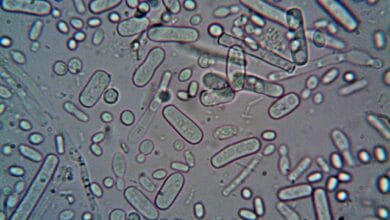
Beneath our feet, a bustling community of bacteria, fungi, and microfauna orchestrates the transformation of plant carbon into long-lasting soil storage. Microbes act as intermediaries, breaking down organic material and facilitating carbon transfer through the soil food web. Bacteria are particularly active in decomposing labile, particulate organic carbon (POC), whereas fungi contribute to the stabilization of mineral-associated organic carbon (MAOC), which resists rapid degradation.
Bacterial decomposition drives particulate organic carbon renewal, while fungal decomposition supports MAOC stabilization.
The recent study leveraged 13C isotope labeling to trace carbon movement from crop photosynthesis through plants and into soil organisms. Such precise tracking reveals the efficiency and pathways by which microbes convert plant-derived carbon into forms that can persist in soils for decades.
Returning Crop Residues: Feeding the Soil Web
One of the most striking findings from the field study was the impact of returning crop residues, also known as stover, to farmland soils. Fields where stover was reintroduced showed approximately 30.96% increase in POC and 11.39% increase in MAOC, compared with fields where residues were removed. These shifts suggest that simple management practices can substantially influence both the quantity and quality of soil carbon pools.
Returning crop residues rewires soil life, boosting its capacity to store carbon.
The addition of stover appears to feed not just microbes but the entire soil food web. Microfauna, particularly nematodes, emerged as key contributors, responsible for around 60.5% of total soil carbon renewal. These organisms facilitate nutrient cycling, redistribute organic matter, and strengthen trophic links across soil communities.
The Soil Food Web: Linking Microbes to Macrofauna
The soil ecosystem is more than the sum of its microbial parts. Microfauna, such as nematodes and protozoa, mediate interactions between bacteria and fungi and higher-order macrofauna like earthworms. This network of interactions enhances the transformation and stabilization of carbon, suggesting that maintaining or restoring diverse soil communities is central to long-term carbon sequestration.
Nurturing living soils positions farmland as a potent ally in climate-change mitigation.
Interestingly, bacterial decomposition drives rapid carbon turnover in POC, while fungi support the slow, stable accumulation of MAOC. The dual pathways underscore how different microbial groups collectively balance carbon cycling and long-term storage.
Mechanistic Insights: Carbon Pathways in Soil
Using isotope tracing, researchers demonstrated a sequence: stover return → restructuring of soil food web → enhanced carbon transformation → stabilization. This chain highlights a mechanistic understanding rarely captured in field studies. However, it’s important to note that soil type, climate, and crop species can influence these processes, meaning findings may not universally apply across all agroecosystems.
Beneath our feet, unseen processes govern how farmland can store carbon.
The study also differentiated between POC and MAOC. POC is relatively labile and turns over quickly, while MAOC is more resistant to microbial breakdown, offering long-term carbon storage. Bacteria primarily process POC, whereas fungal networks facilitate MAOC build-up, emphasizing complementary microbial roles.




Implications for Sustainable Farming
These findings carry meaningful implications for sustainable agriculture. Practices that maintain or enhance soil biodiversity—such as stover return, reduced tillage, and cover cropping—may amplify the carbon sequestration potential of farmland. By strengthening soil food webs, farmers can indirectly support both immediate nutrient cycling and long-term carbon storage.
External studies support this view. For instance, Lal (2020) emphasized that conservation agriculture can increase soil organic carbon by 10–25% over decades. Similarly, a 2022 meta-analysis highlighted that microbial diversity correlates positively with soil carbon stabilization across diverse soil types.
Future research could expand to:
- Diverse soil types and climates to verify generalizability.
- Long-term monitoring of microbial succession and carbon stabilization.
- Integration of agricultural policy to incentivize soil health practices that maximize carbon storage.
The study opens the door for precision agriculture strategies where managing microbial and faunal communities is as important as crop selection or fertilizer application.
Beyond climate mitigation, enhanced soil carbon has benefits for crop productivity, water retention, and nutrient cycling. Healthier, carbon-rich soils are more resilient to droughts and floods, indirectly supporting food security. Thus, fostering rich soil food webs aligns ecological benefits with human and societal needs.
Healthy soils are not just a climate tool—they are the foundation of resilient agriculture.
Conclusion
The interplay between soil microbes, microfauna, and crop residues forms a dynamic system capable of enhancing soil carbon sequestration. By returning stover and supporting soil biodiversity, farmland soils can act as active carbon sinks. While findings are promising, careful consideration of soil type, crop species, and environmental conditions is crucial. Ultimately, integrating microbial ecology into sustainable farming practices offers a cautiously optimistic pathway toward climate mitigation.
Sources
- Lal, R. (2020). Soil carbon management for climate mitigation. Science Advances.
- Zhang, X., et al. (2022). Microbial biodiversity and soil carbon storage: A meta-analysis. Nature Communications.
Disclaimer: Some aspects of the webpage preparation workflow may be informed or enhanced through the use of artificial intelligence technologies. While every effort is made to ensure accuracy and clarity, readers are encouraged to consult primary sources for verification. External links are provided for convenience, and Honores is not responsible for their content or any consequences arising from their use.